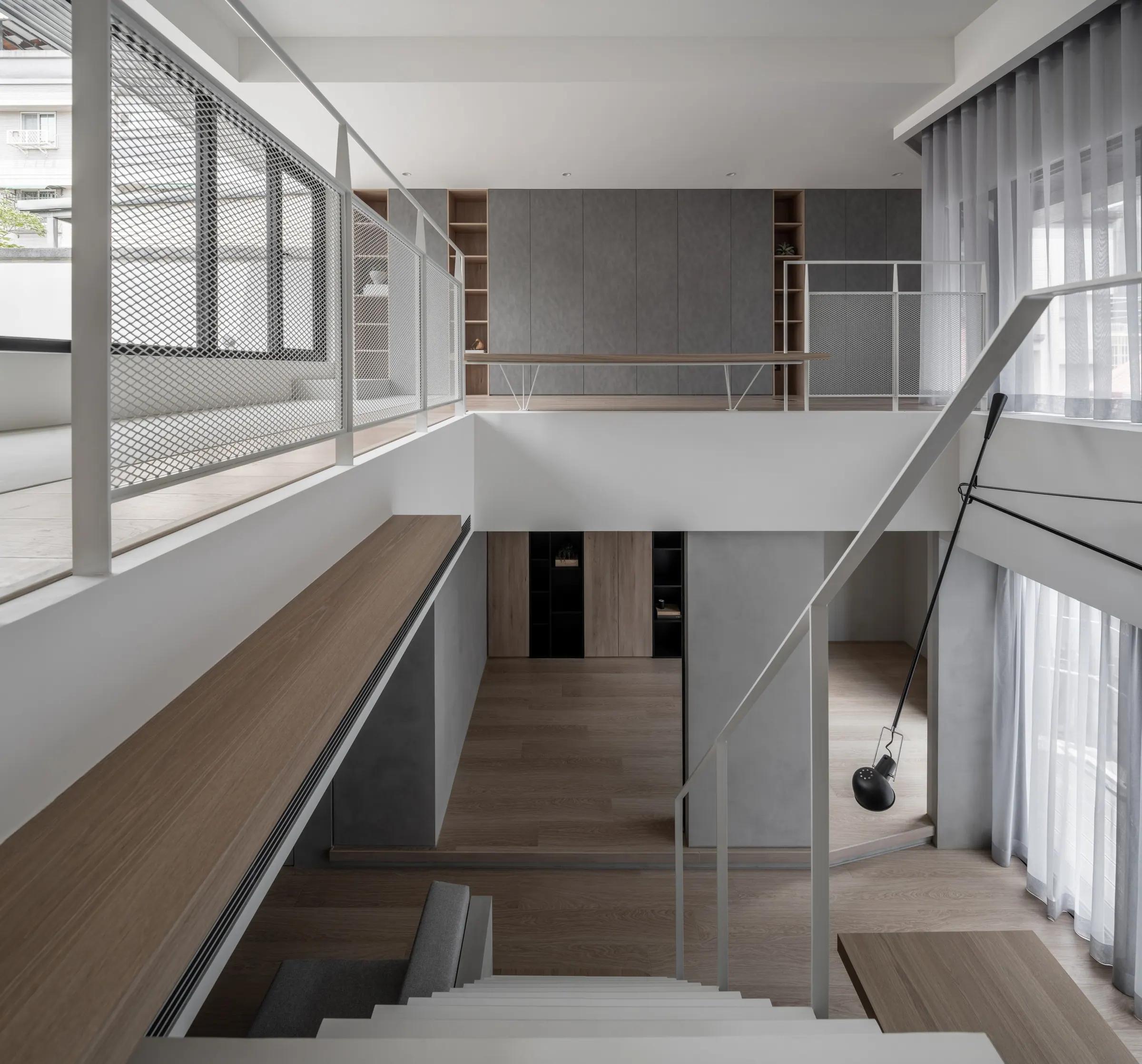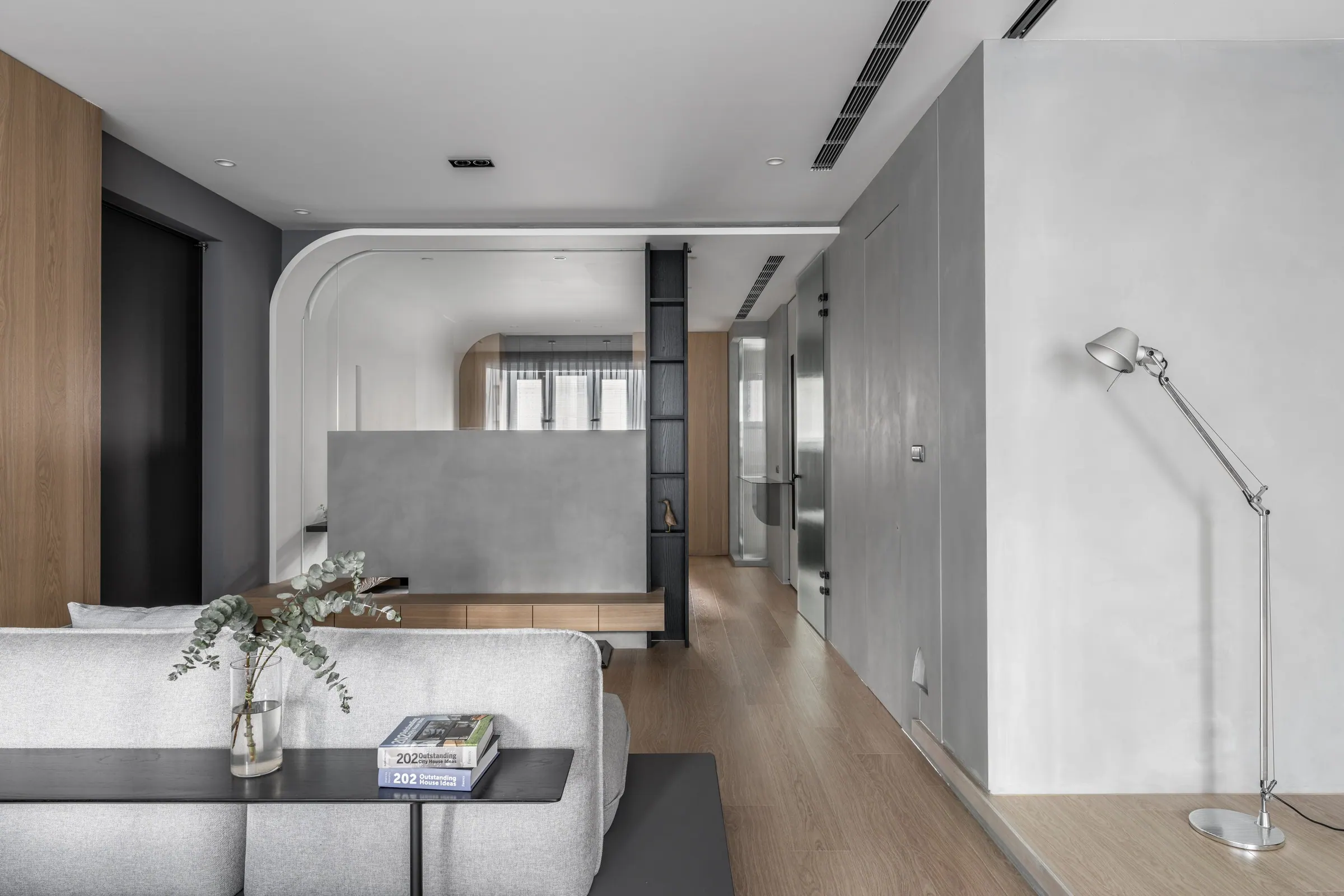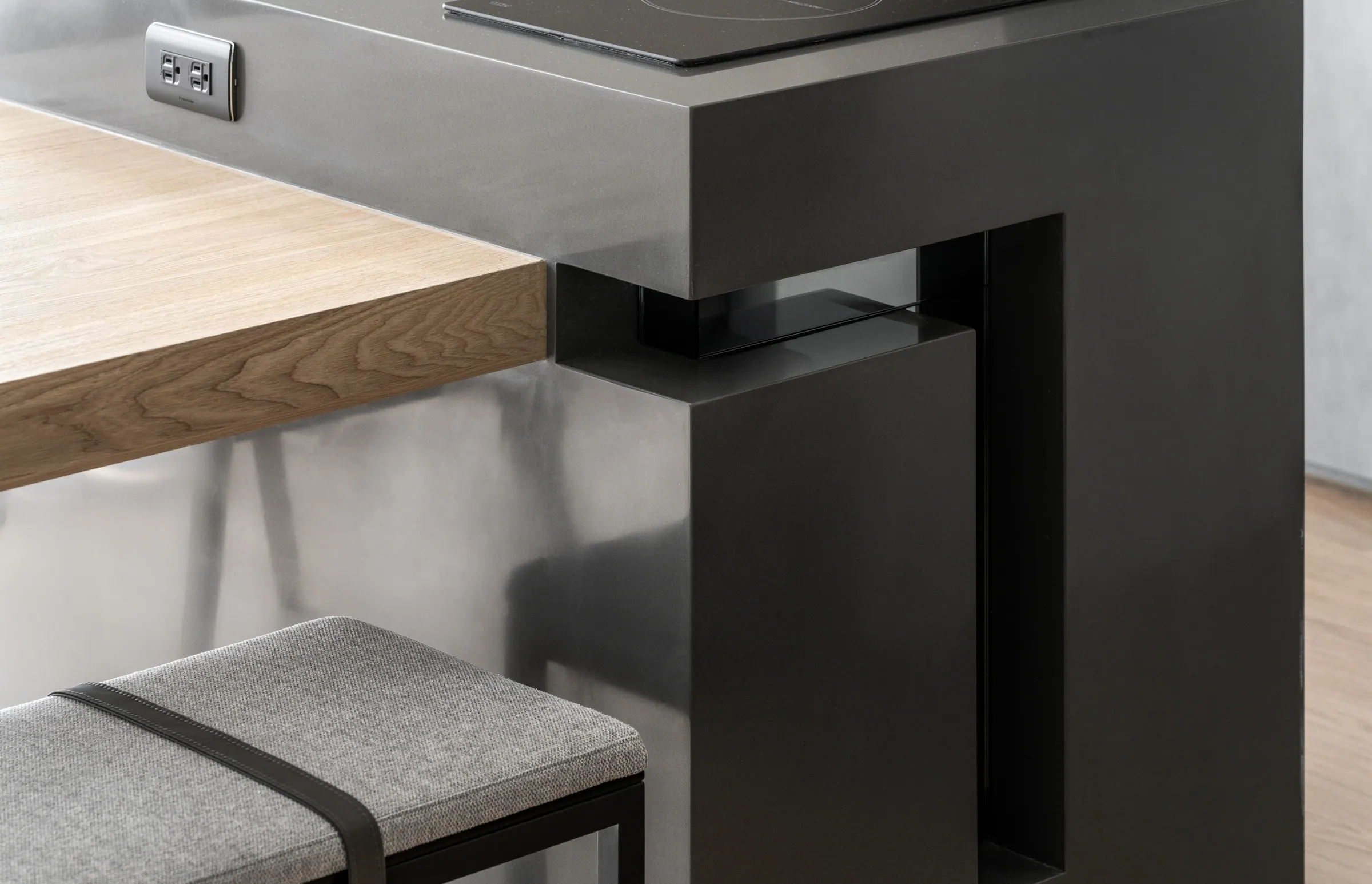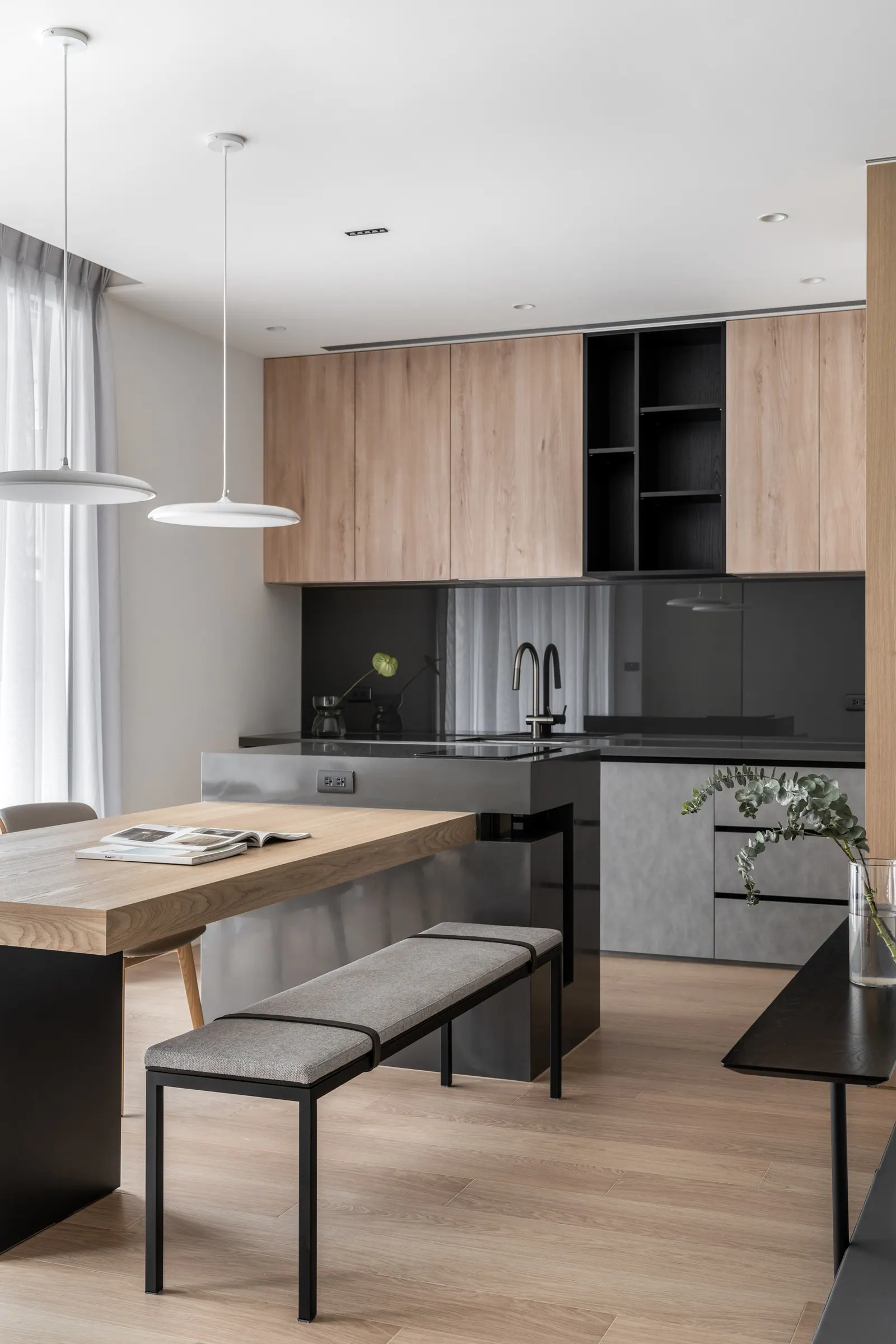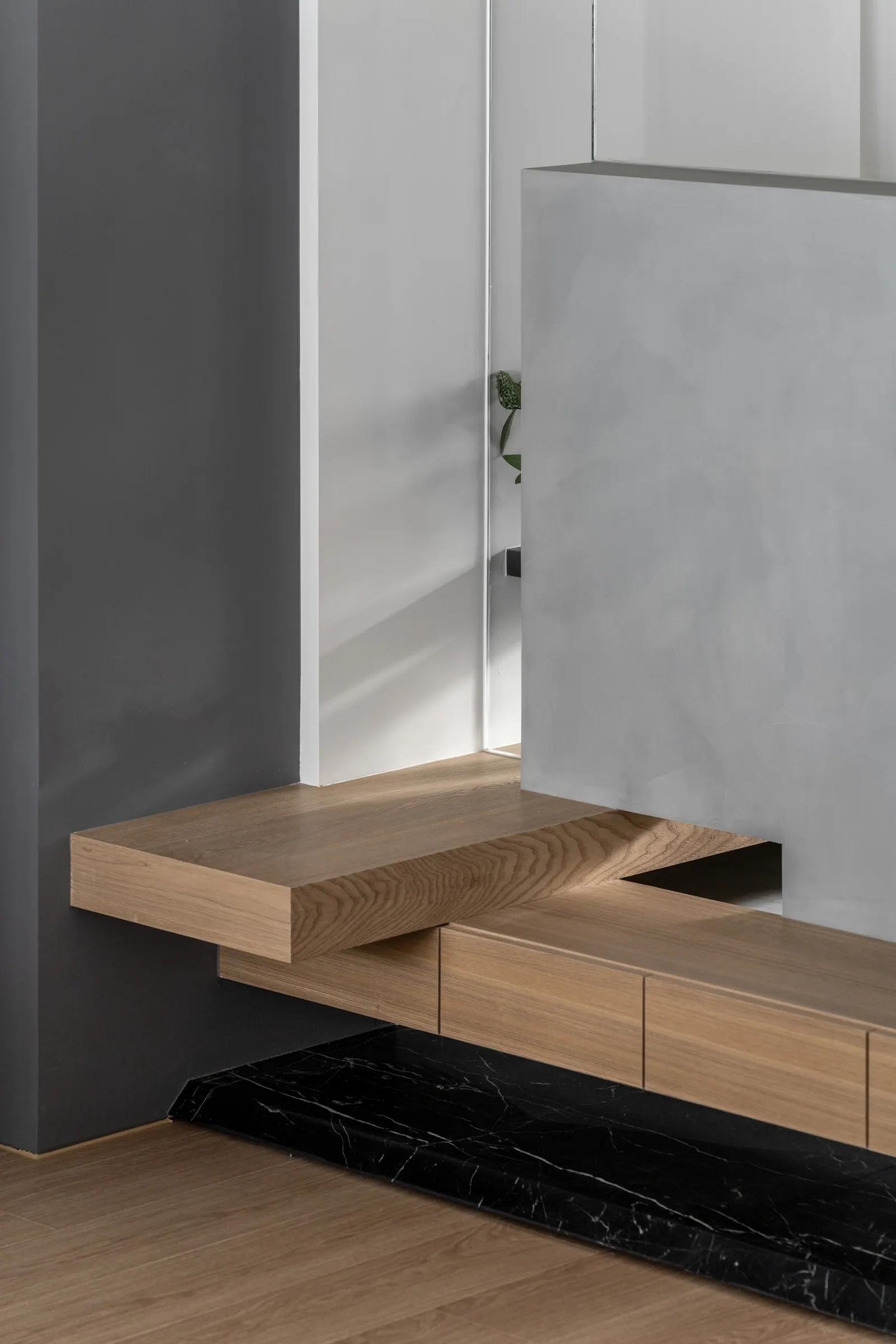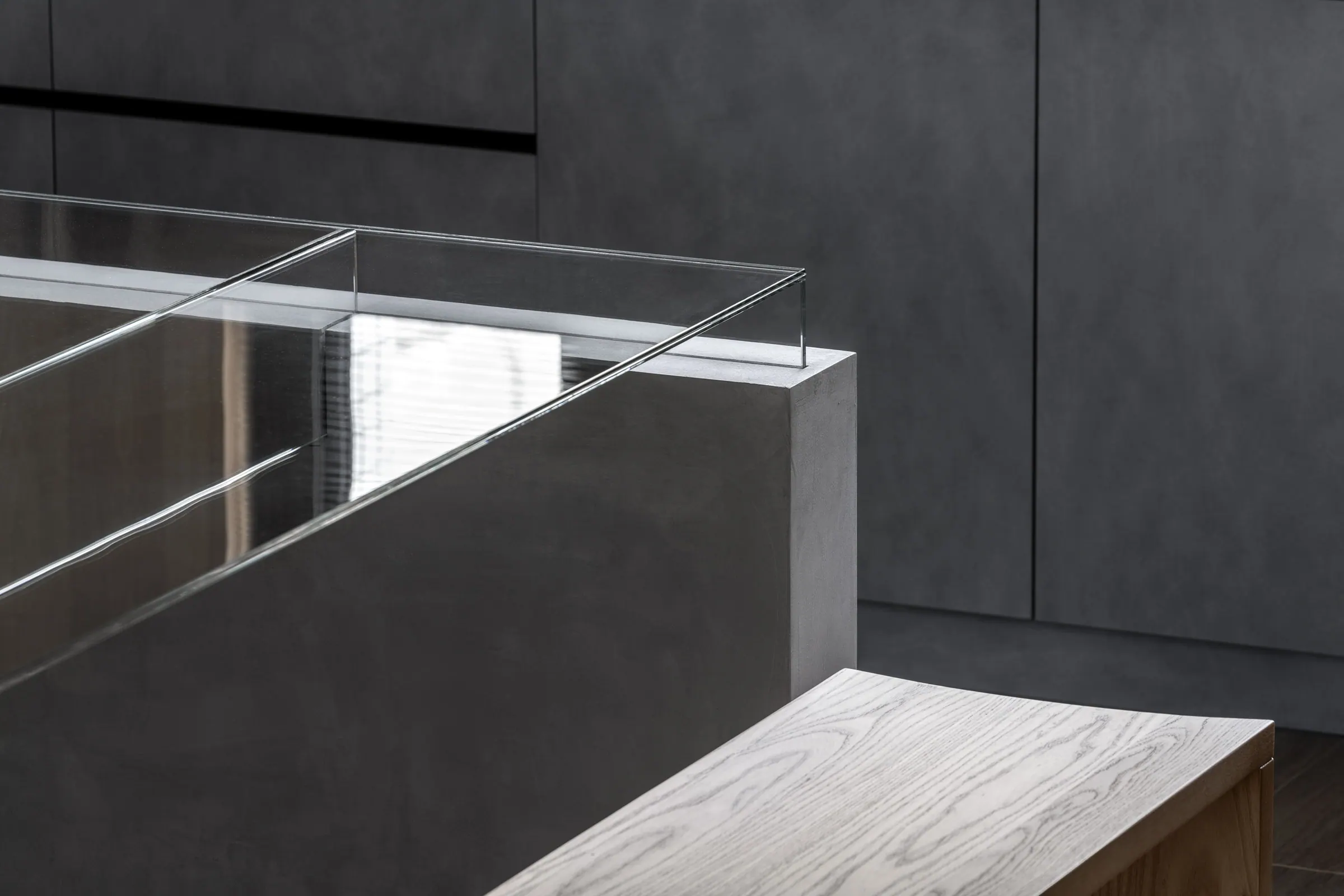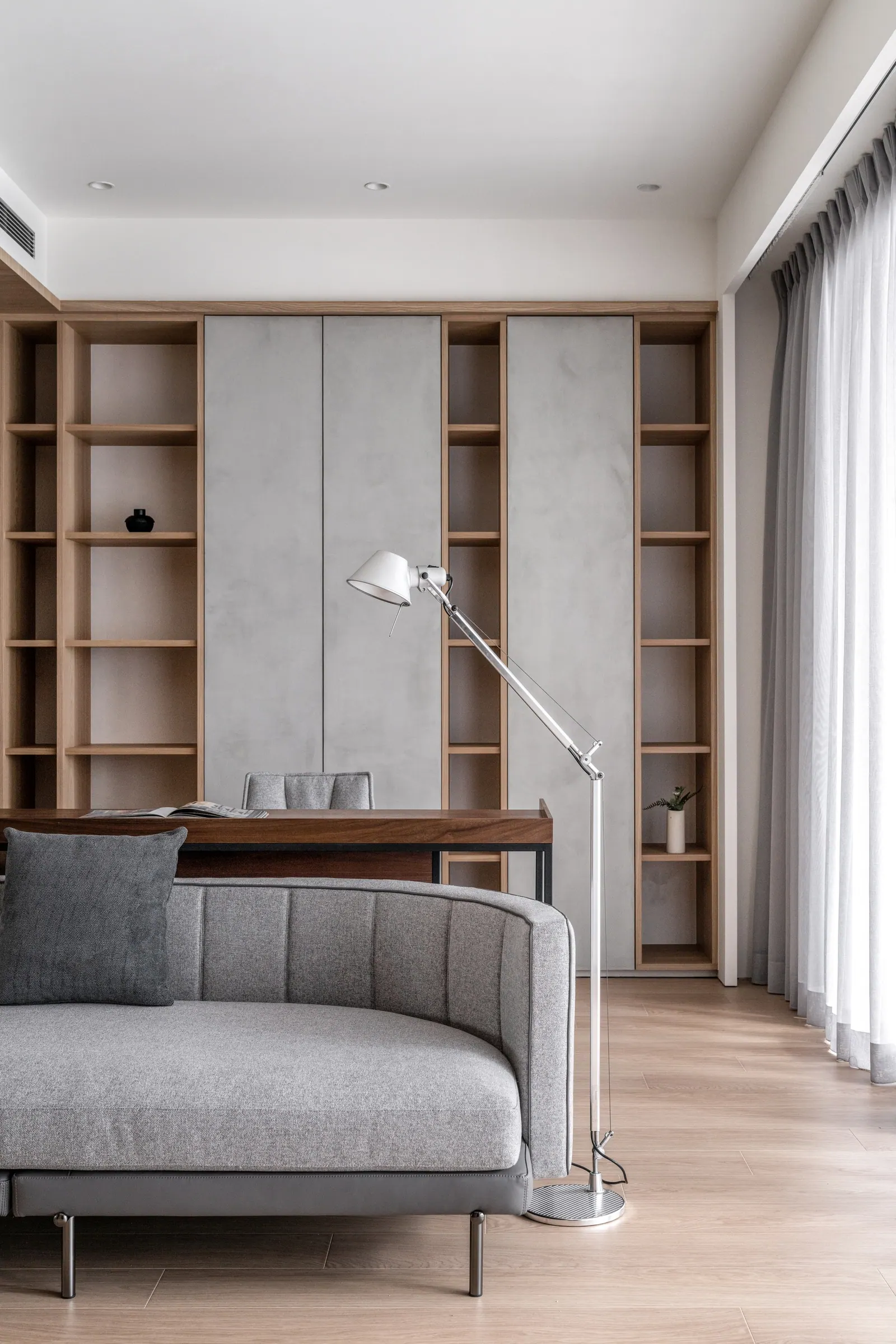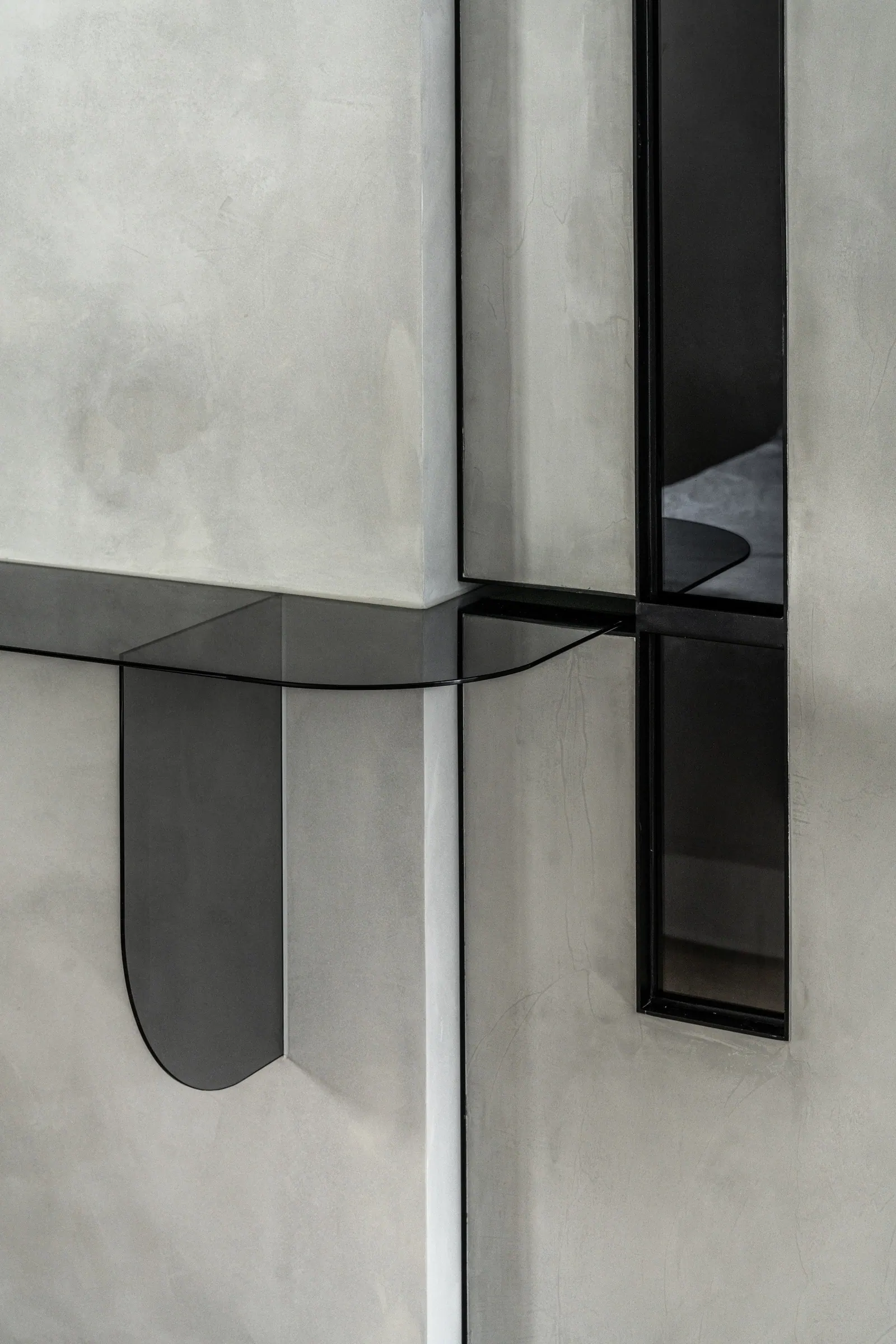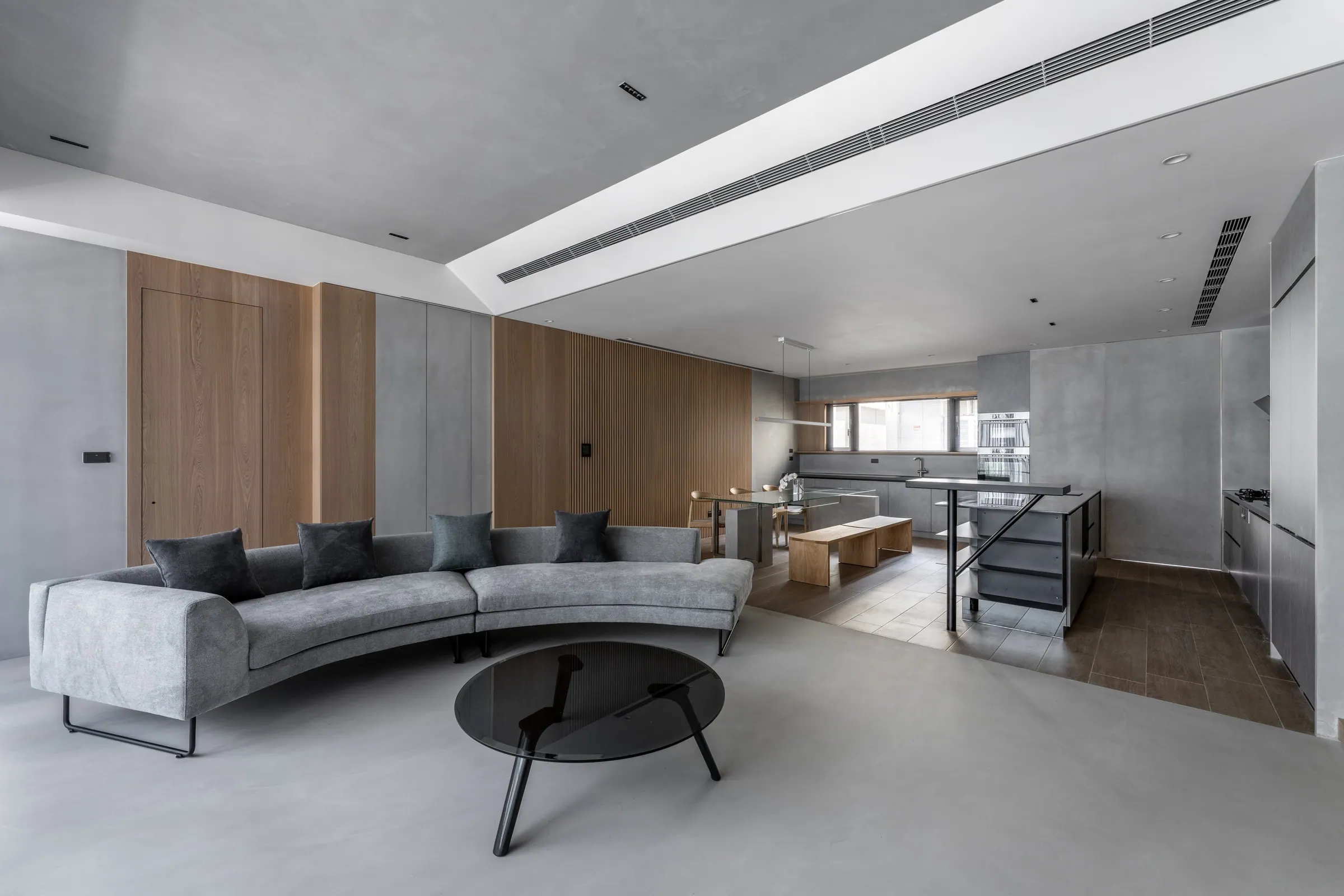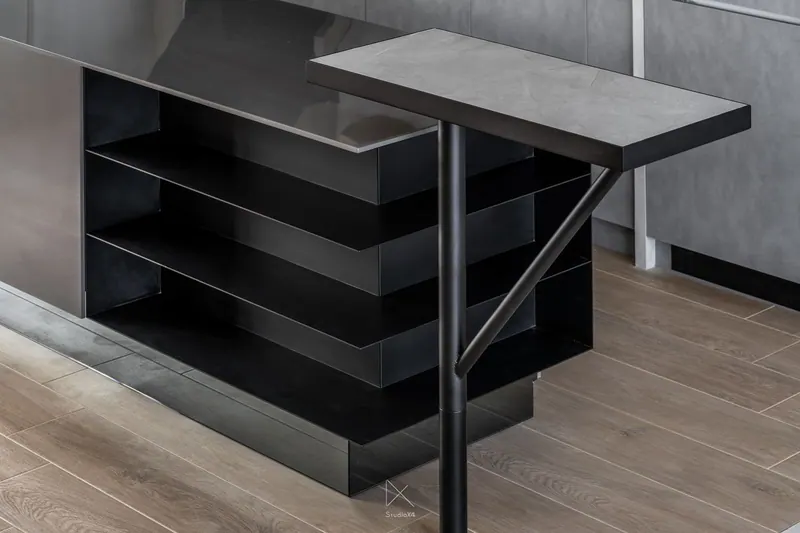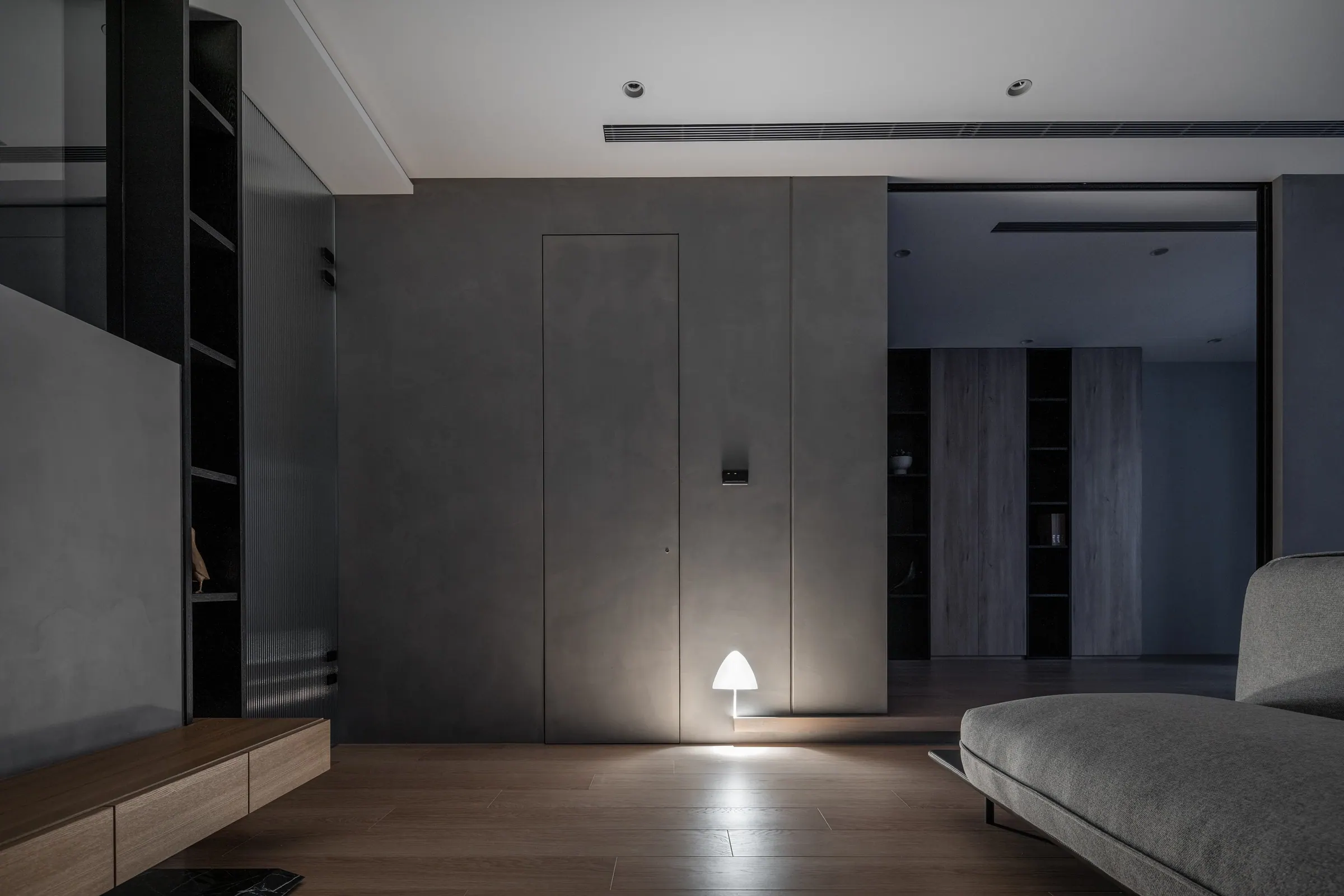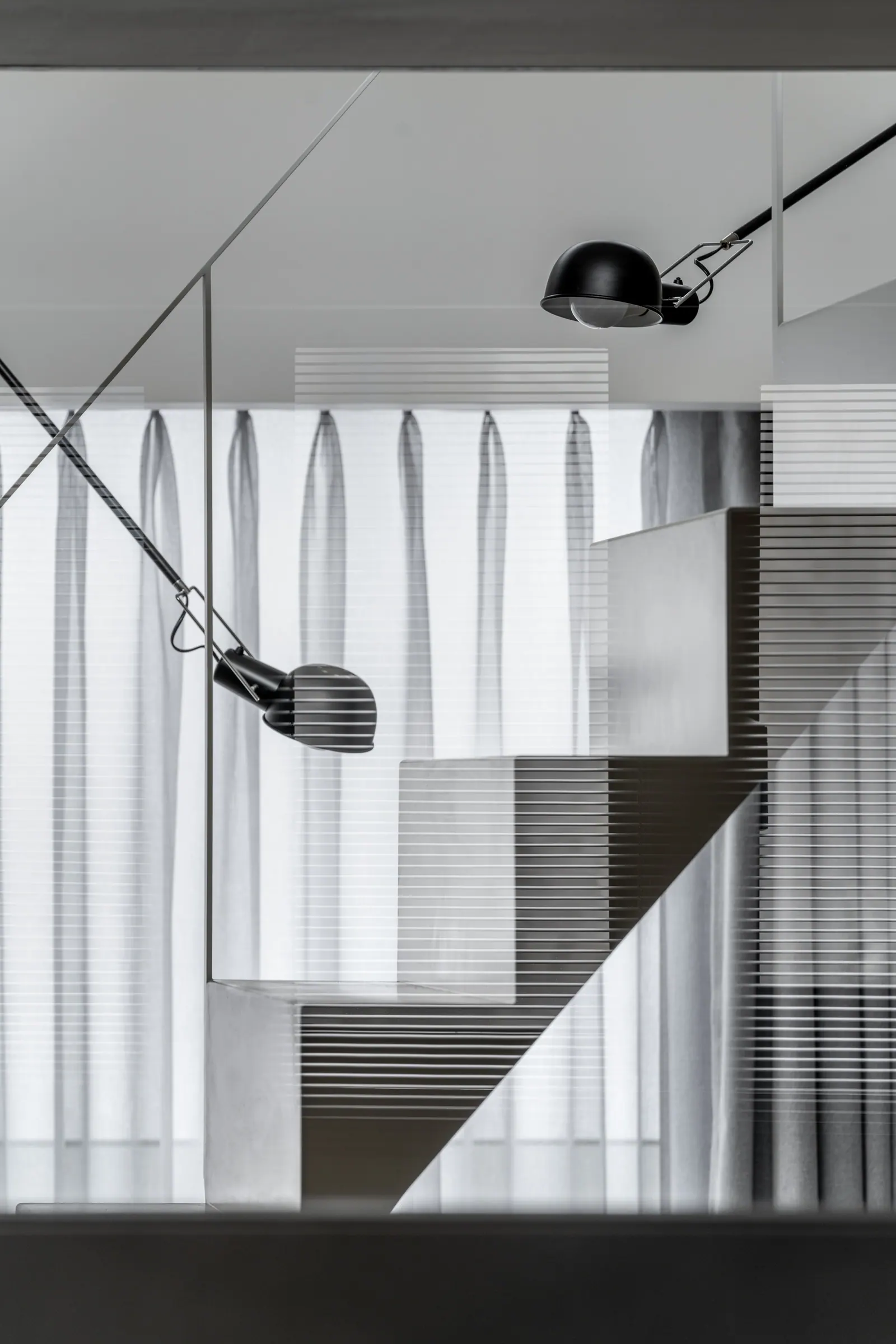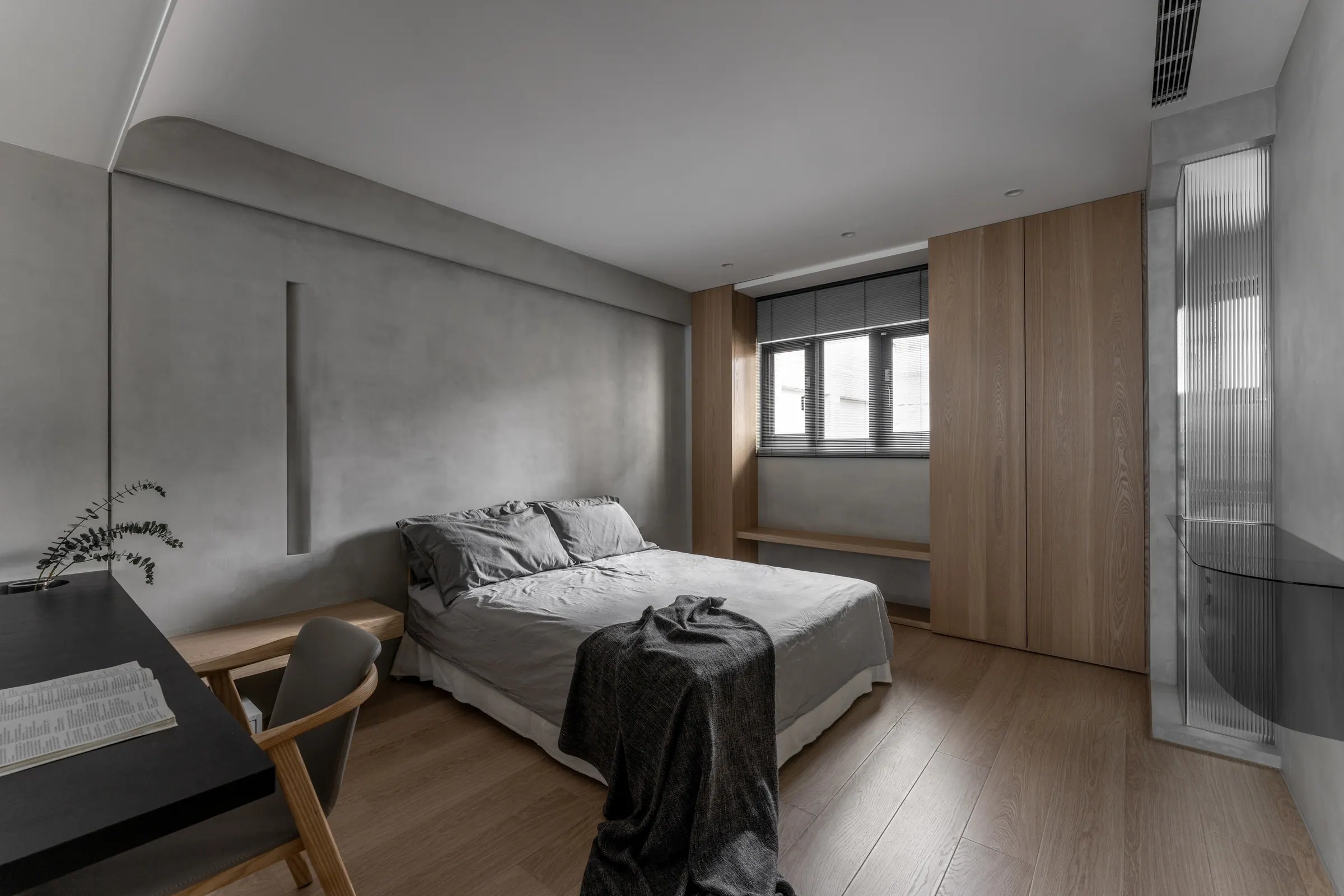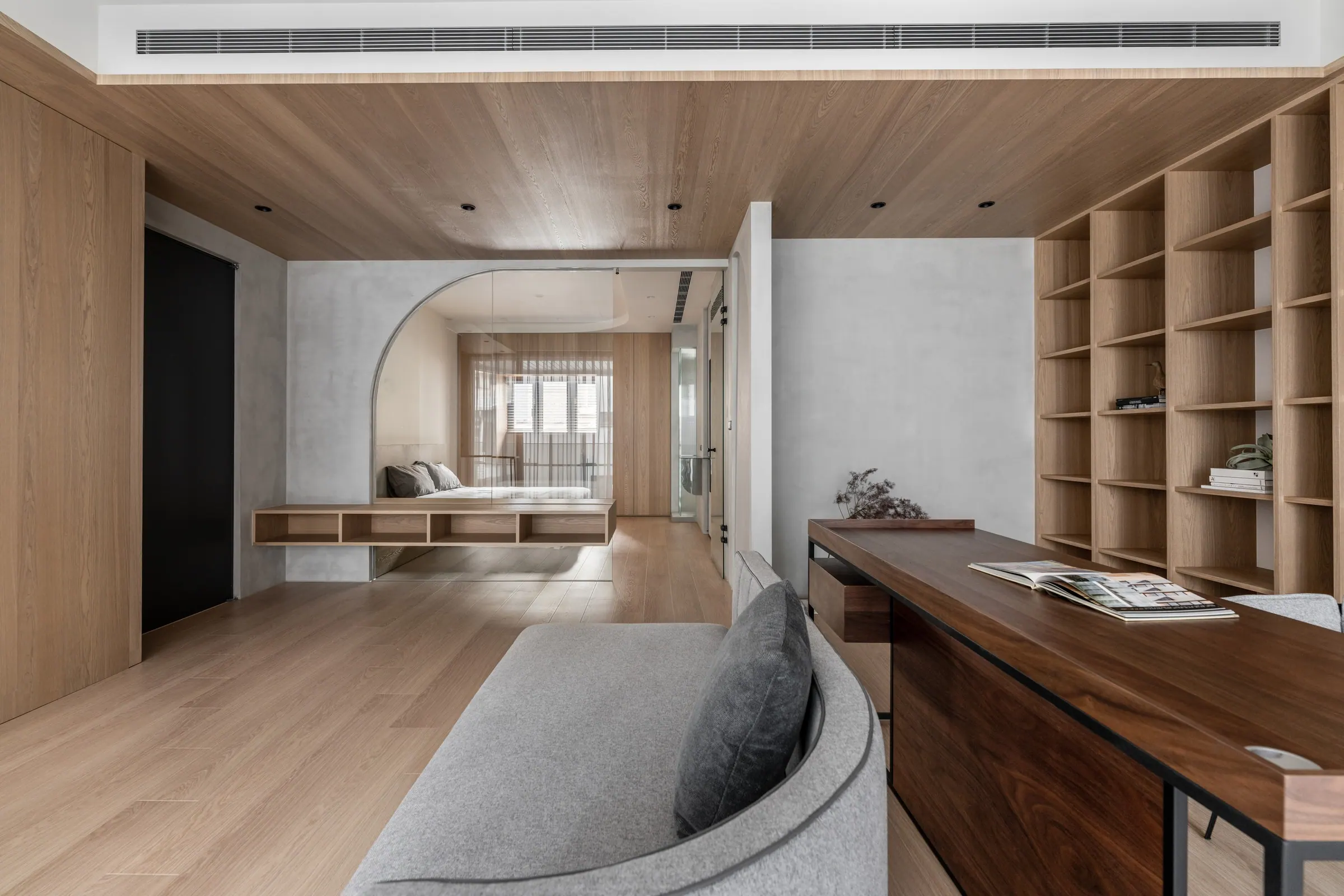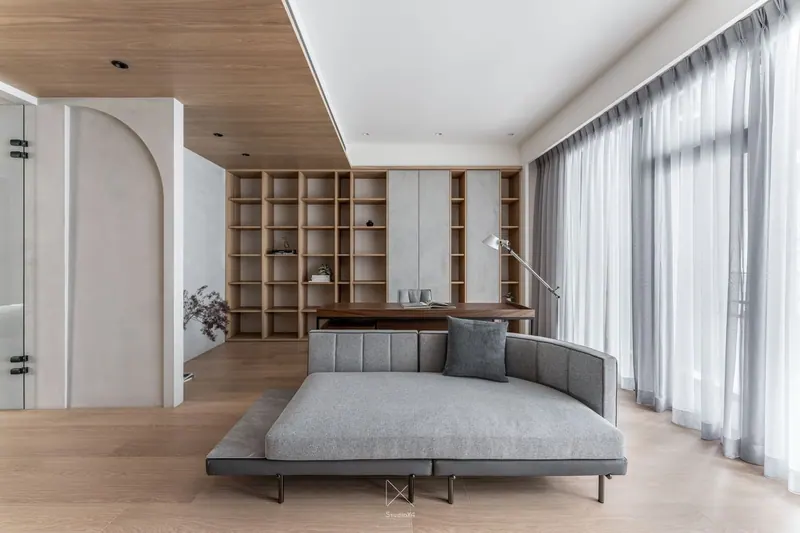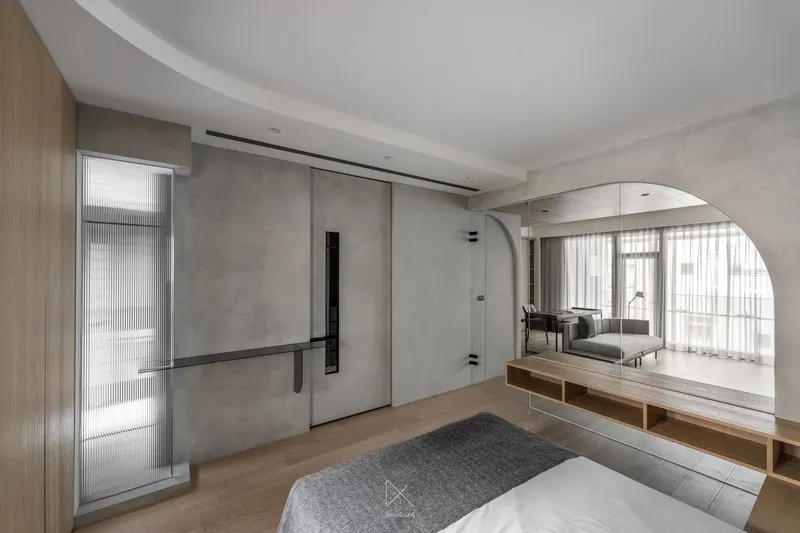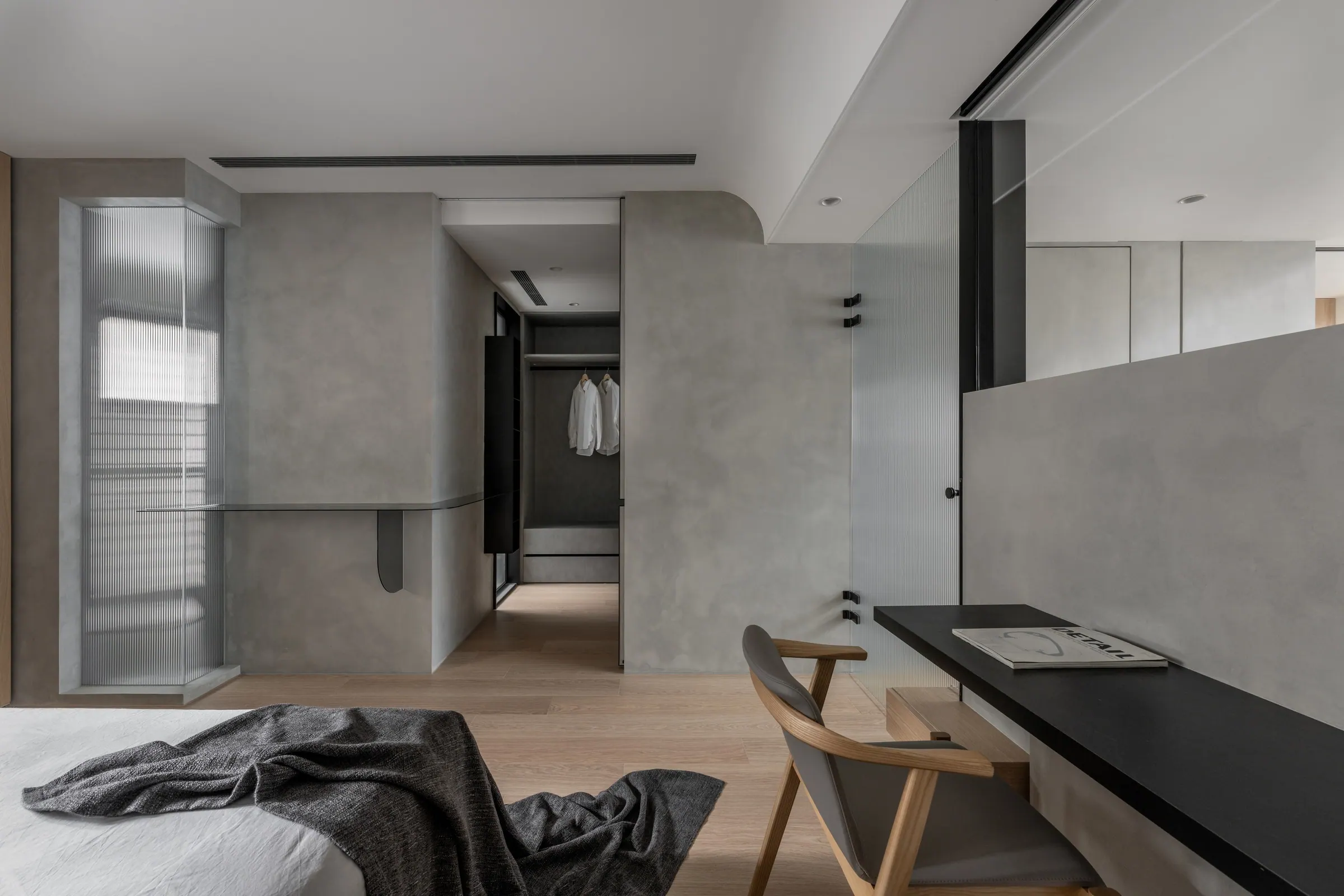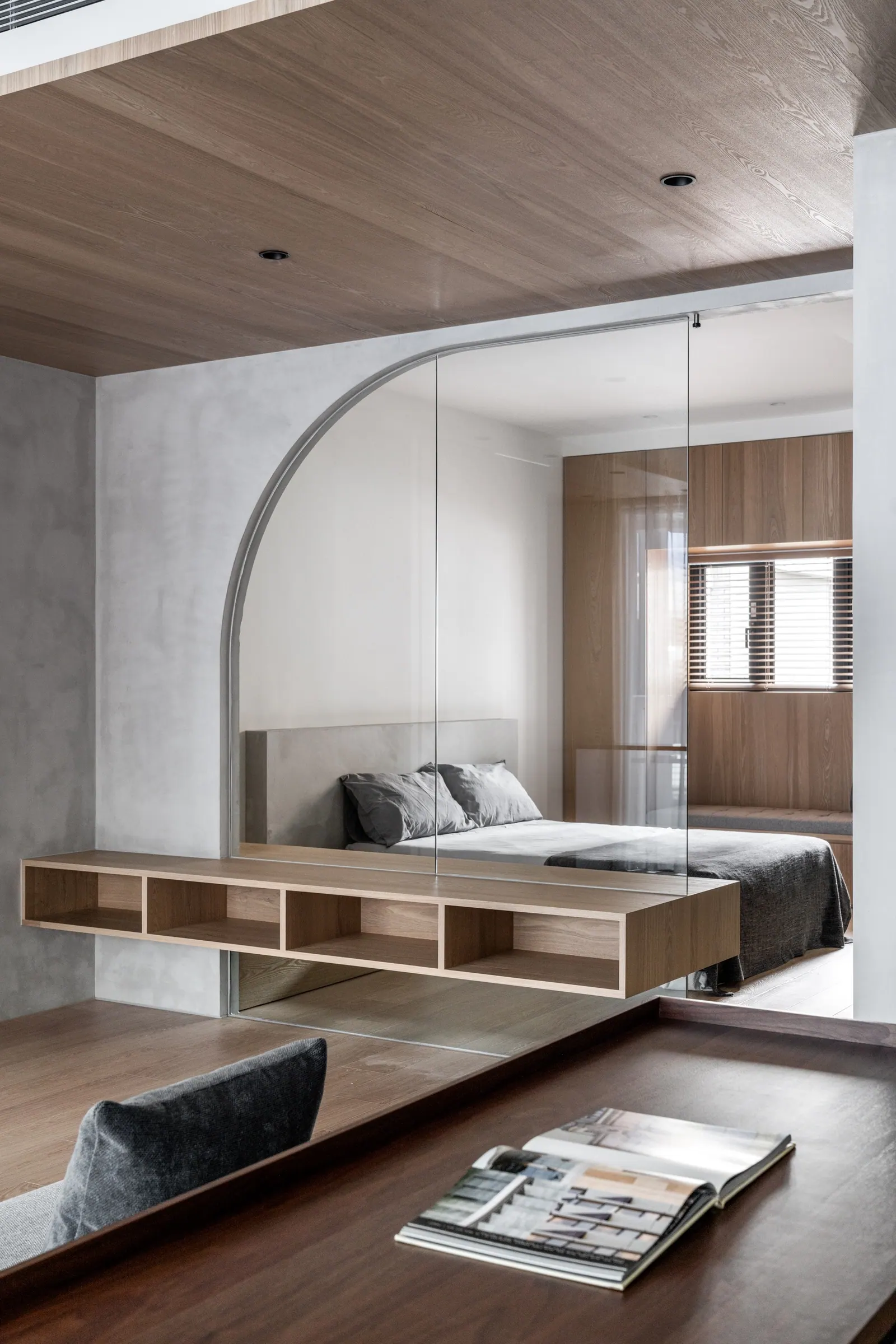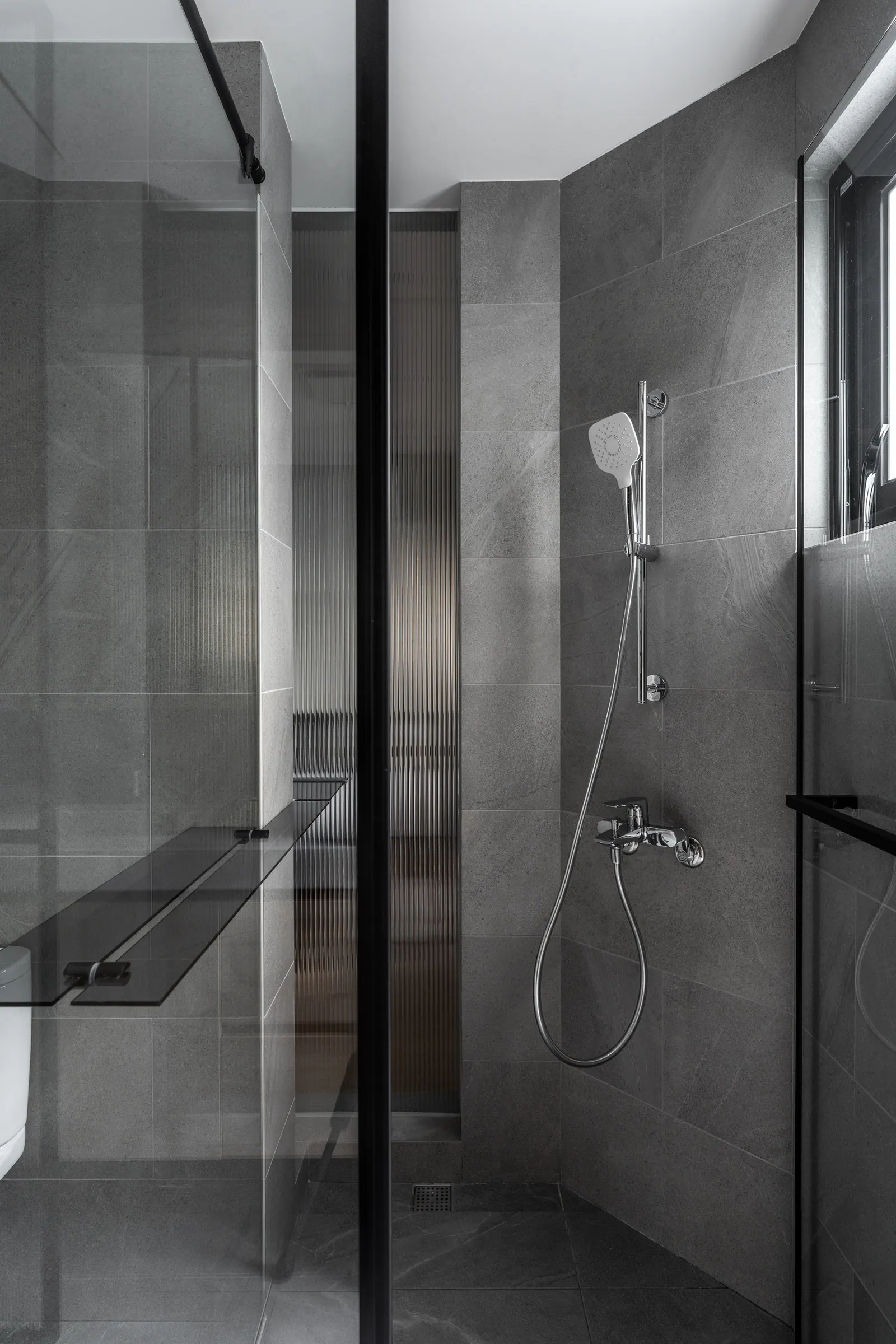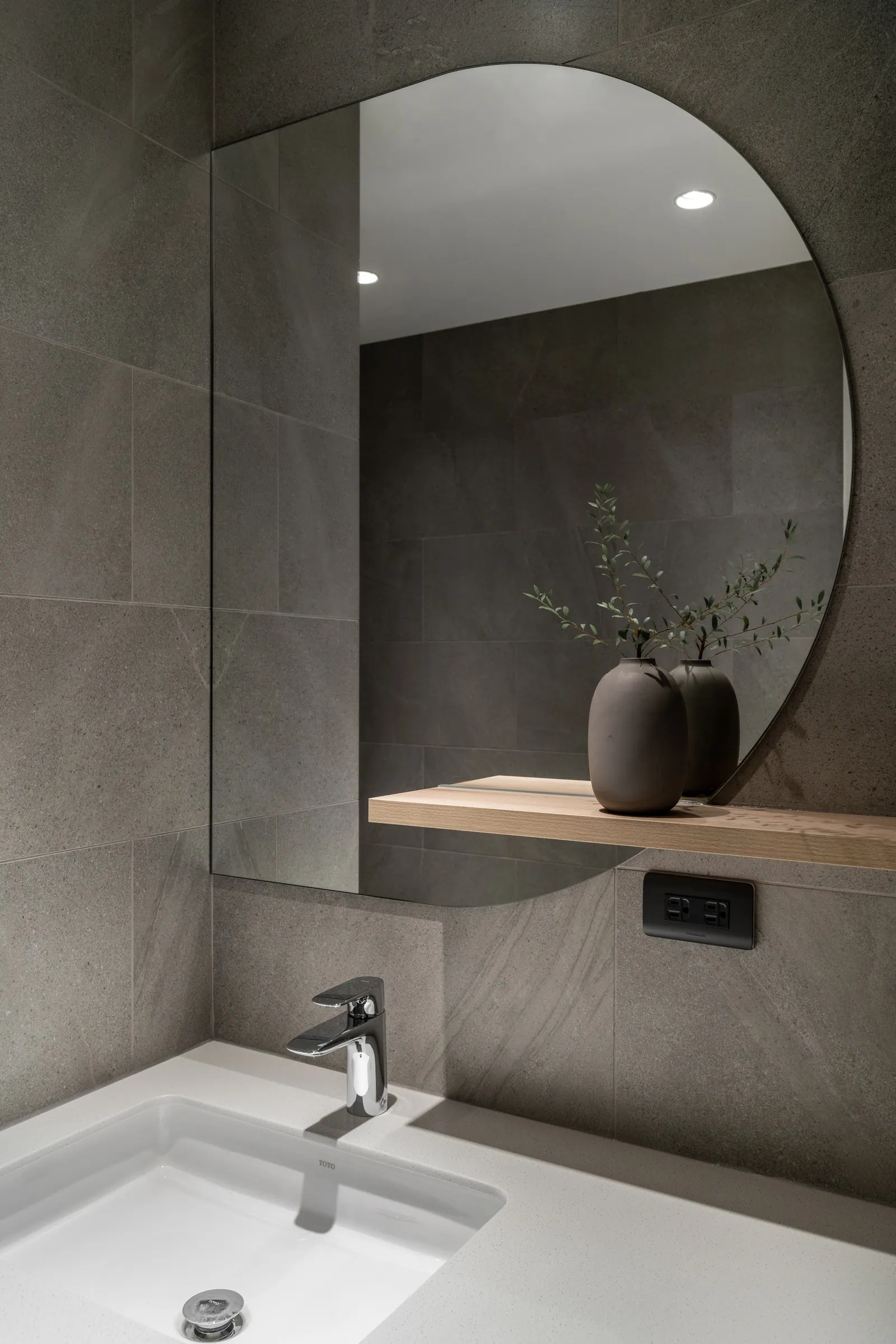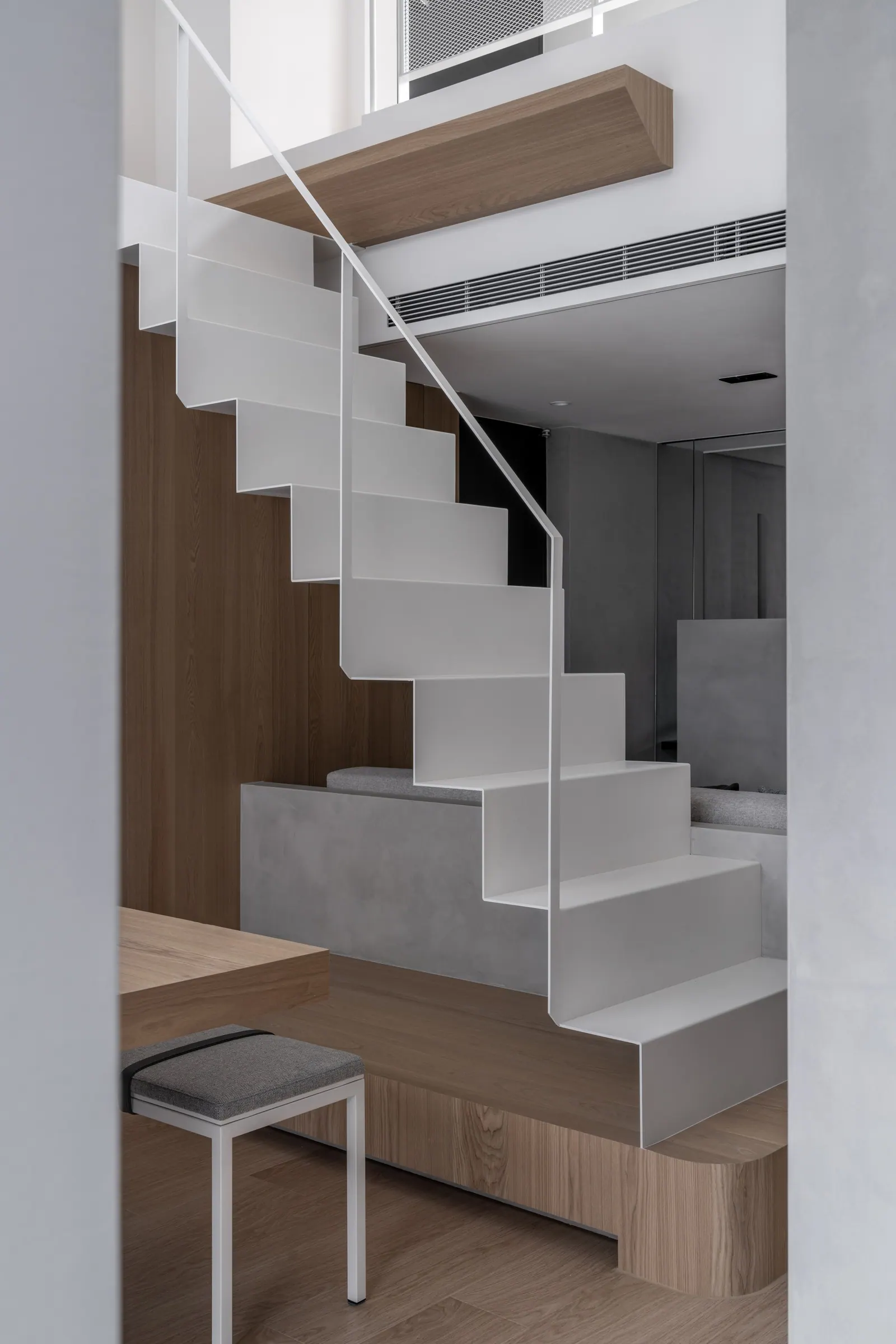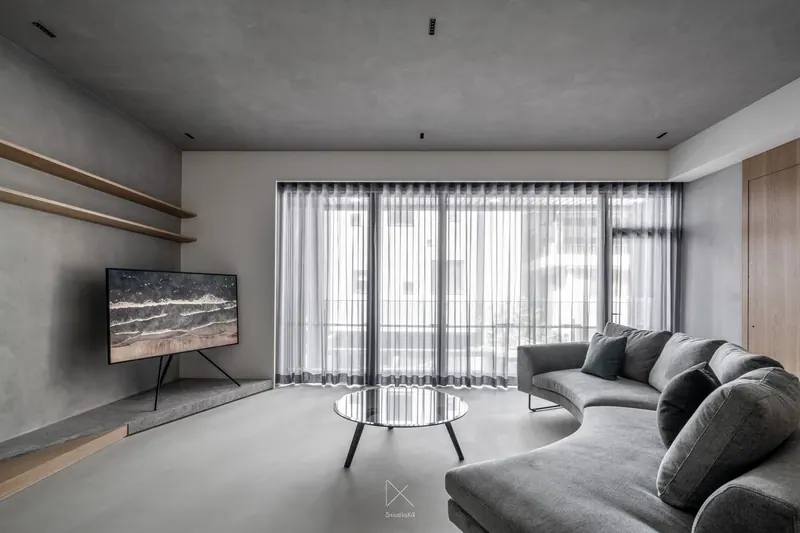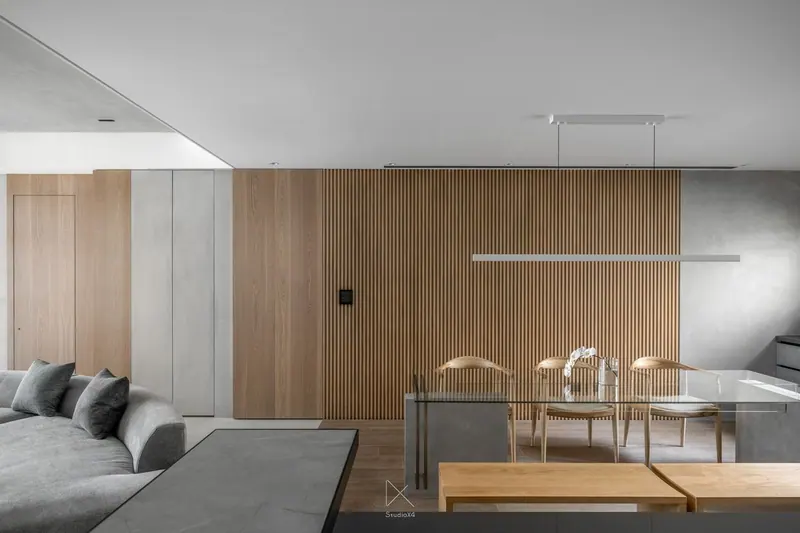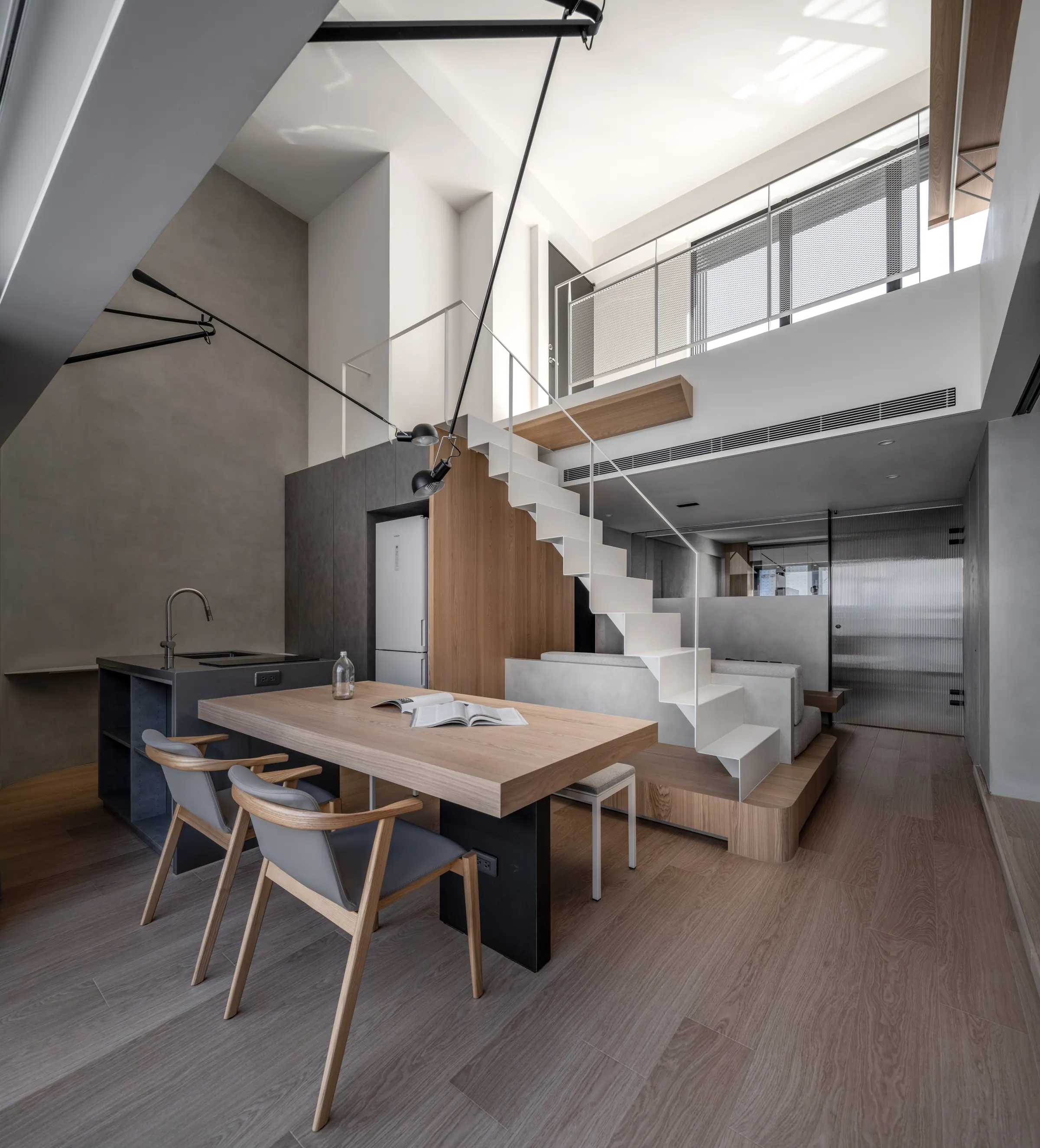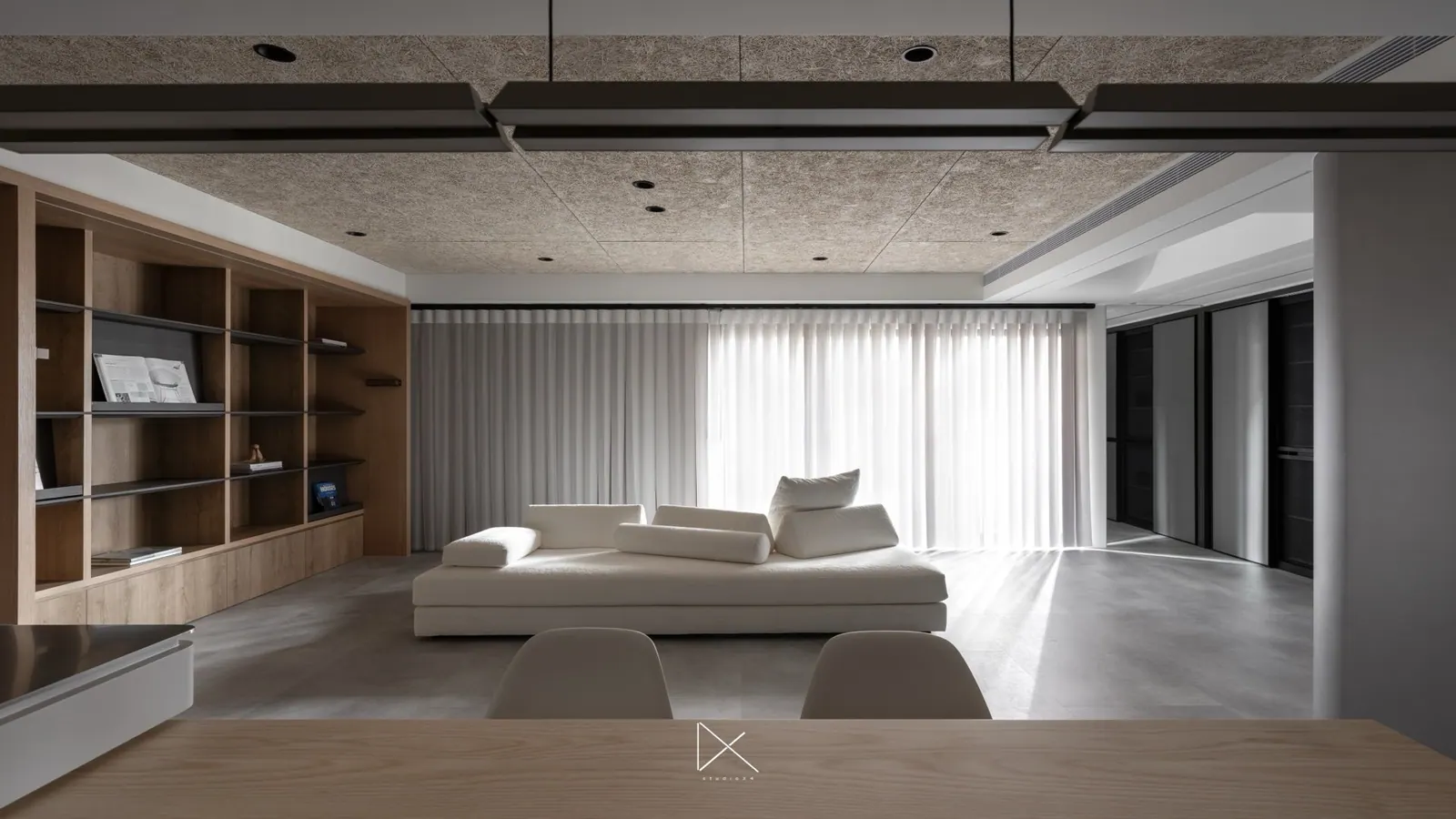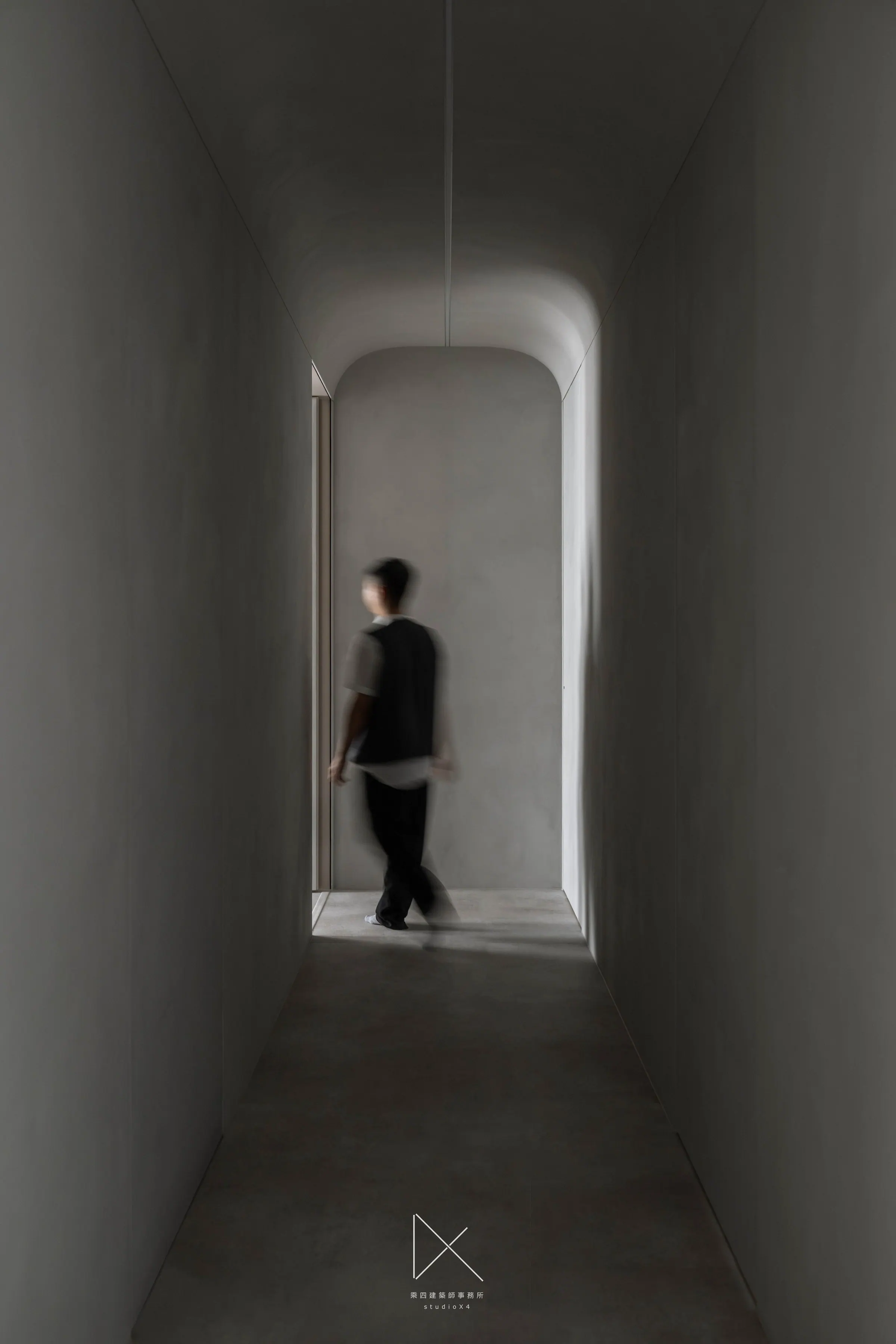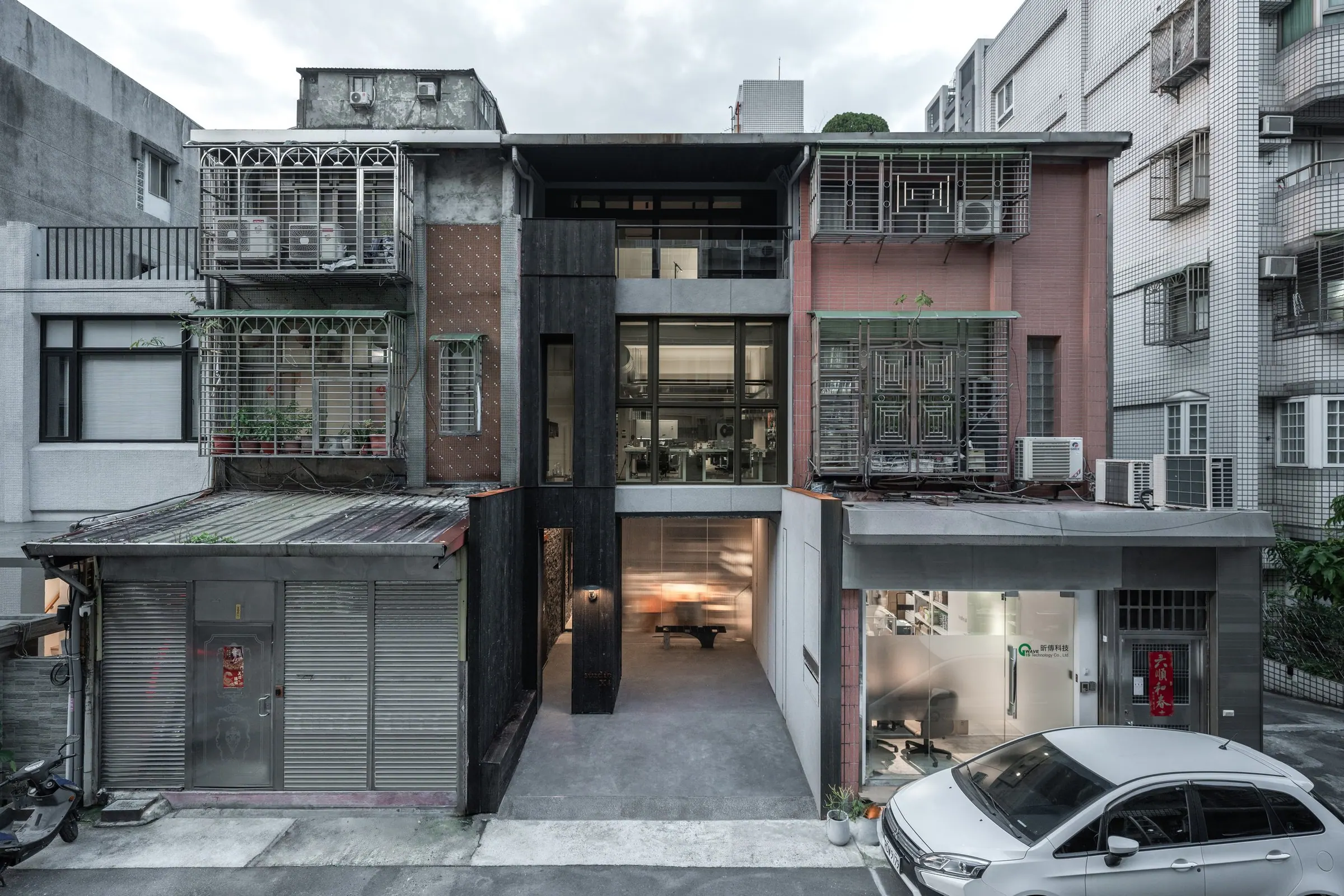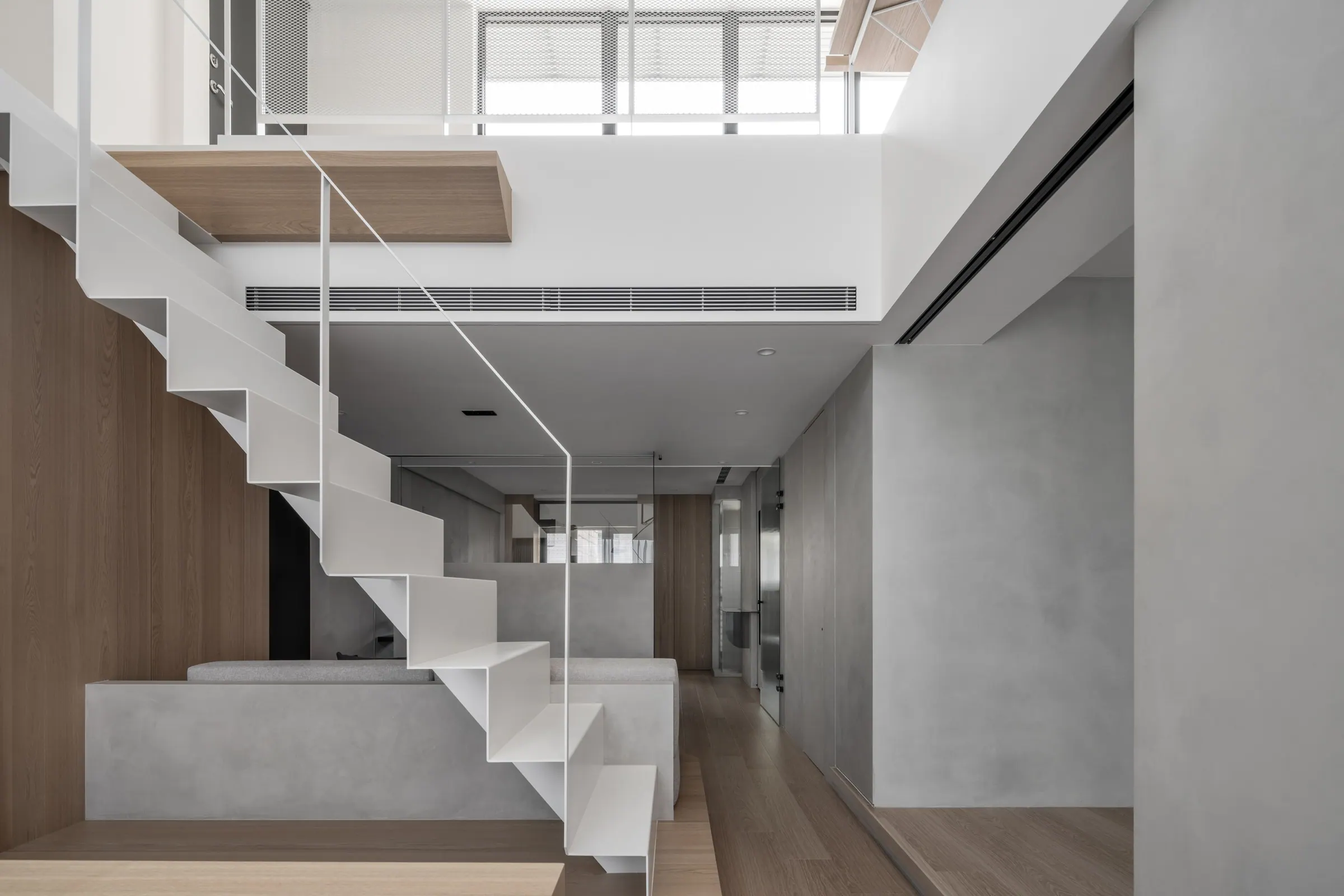
本案位於臺北盆地,在5.5層的空間中,三個不同的家庭屬於同一家族,共同生活;在隱私及共享中,找尋對於傳統家族三合院的嚮往,也許這會是另外一種台北生活的樣貌。
The project sits in the Taipei Basin. Across 5.5 floors, three different families belong to the same extended family and live together. Between privacy and sharing, it seeks the longing for the traditional three-wing courtyard house — perhaps another form of life in Taipei.
“修身、齊家、治國、平天下“,很恰當的替我們的人際關係做了一次梳理。在自身、家庭、家族、社會之間,自身與家是一座橋樑,對外連結。並非將陌生人放入一個空間共同生活,而是以家人作為垂直村莊的嘗試。在這個垂直空間中,人與家庭連結、家庭與家族共享、家族與社群共同生活,角色之間相互依偎。
"Cultivate the self, order the family, govern the state, bring peace to all under heaven" gives a fitting account of our human relationships. Between self, family, extended family, and society, the self and the family form a bridge, connecting outward. This is not strangers placed into one space to live together, but an attempt to build a vertical village out of family. Within this vertical space, the individual connects to family, family shares with extended family, extended family lives together with community — roles lean on one another.
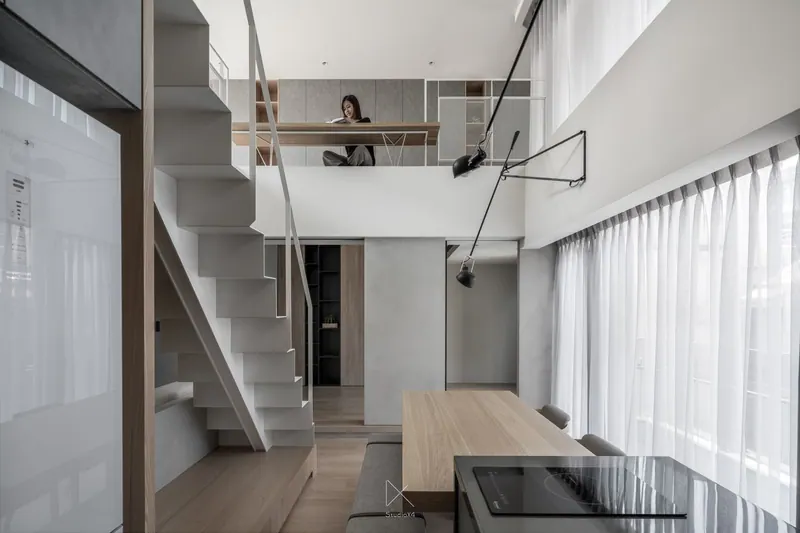
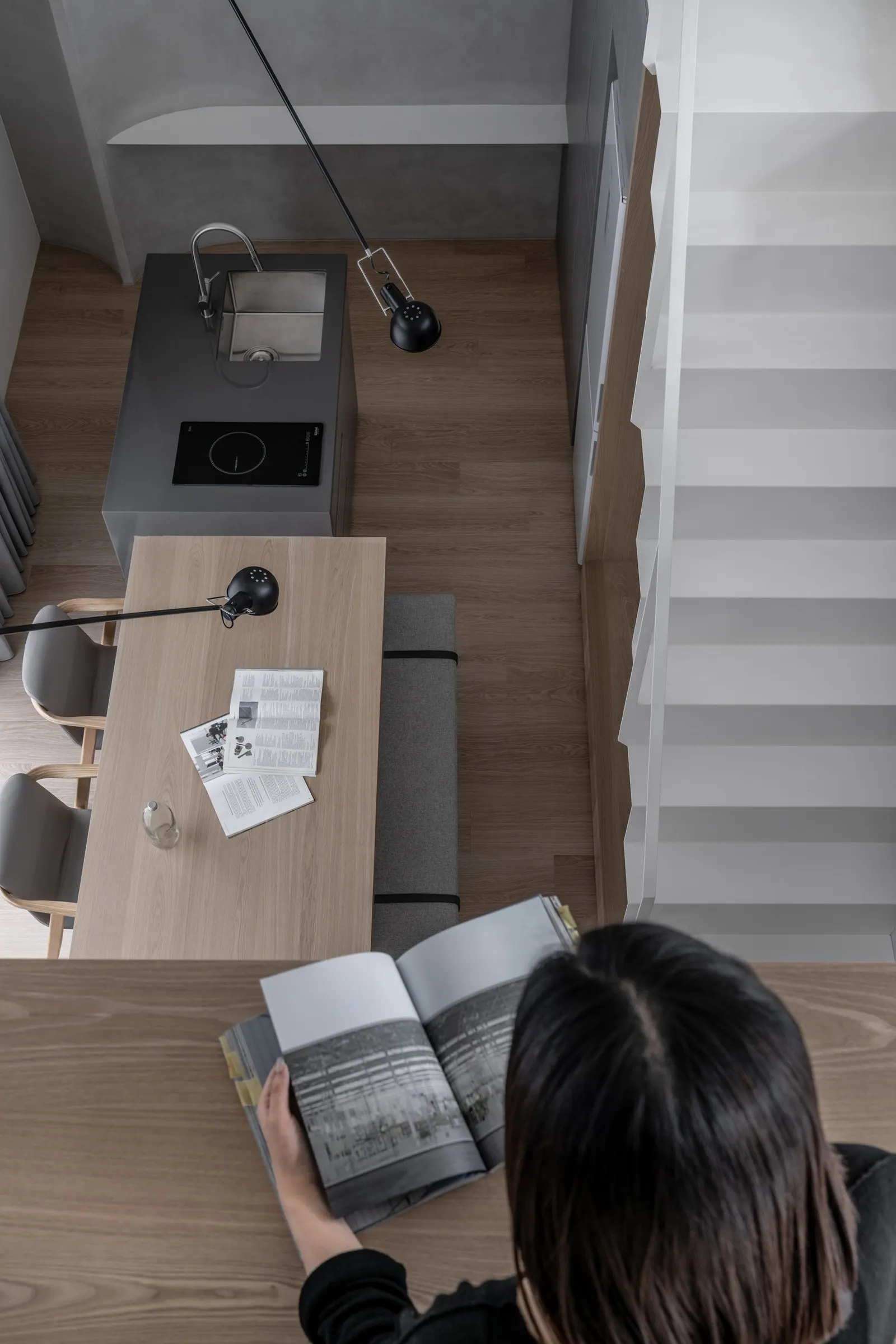
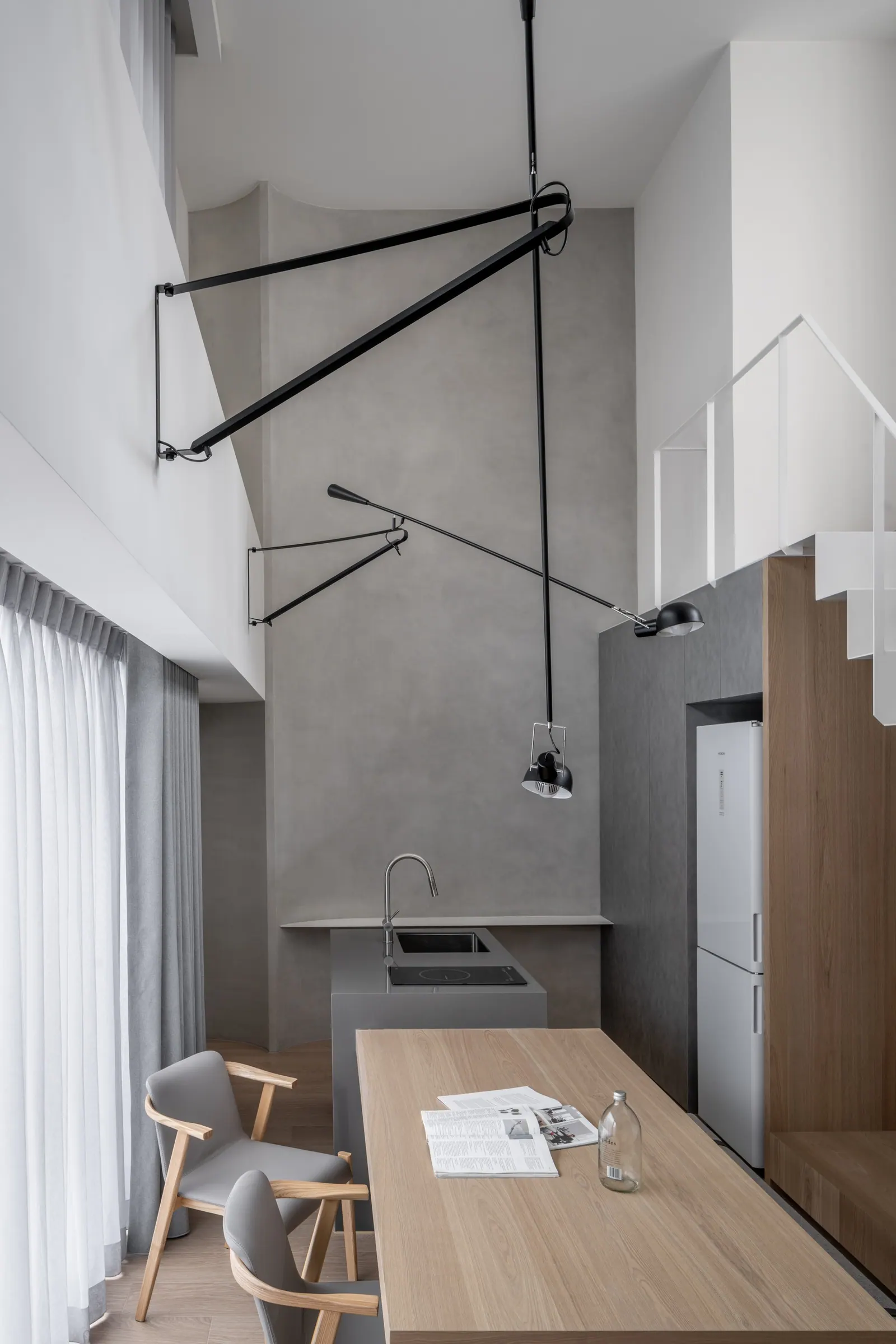
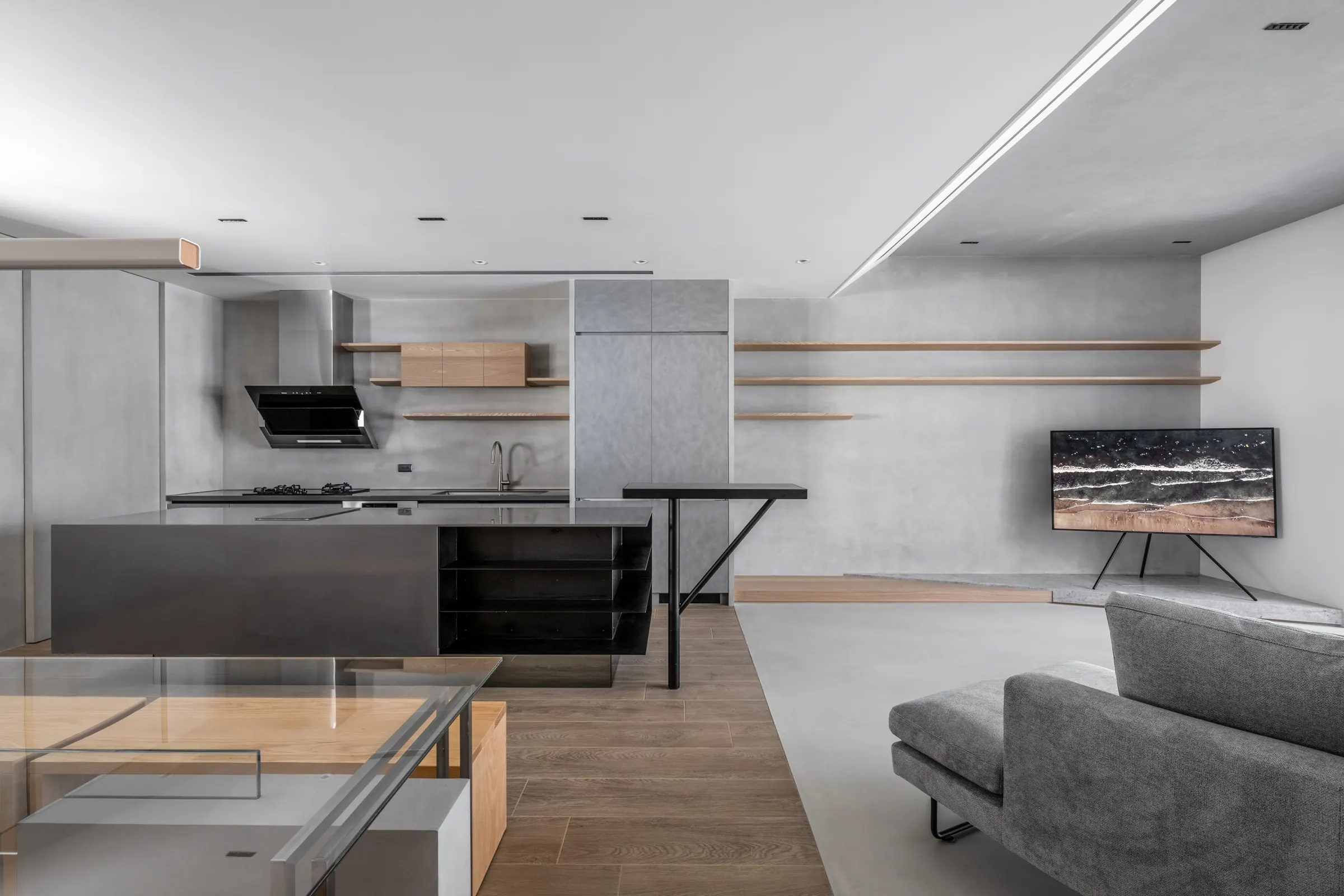
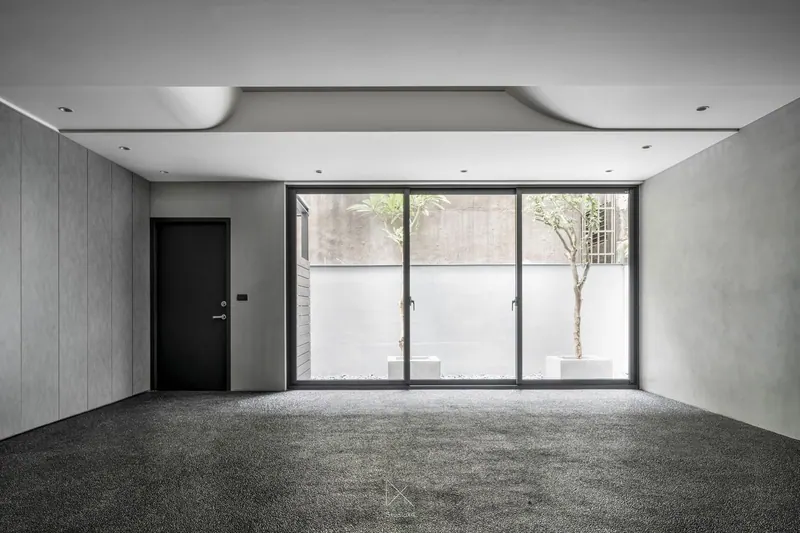
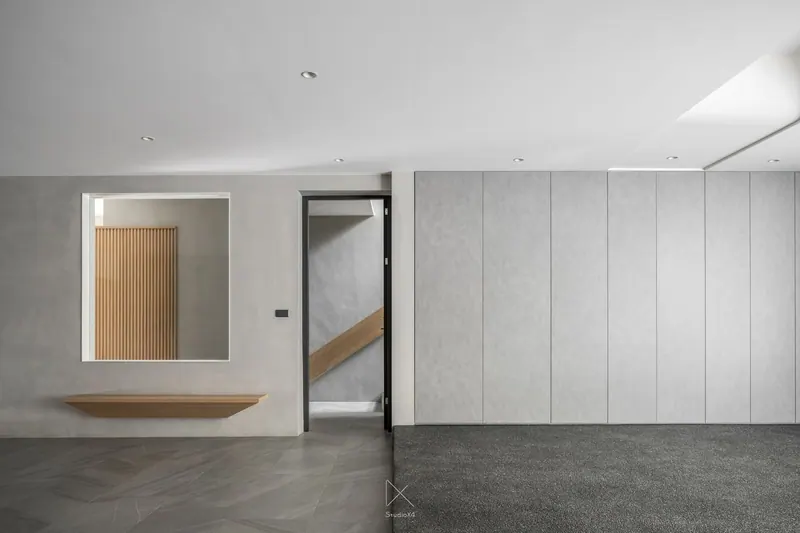
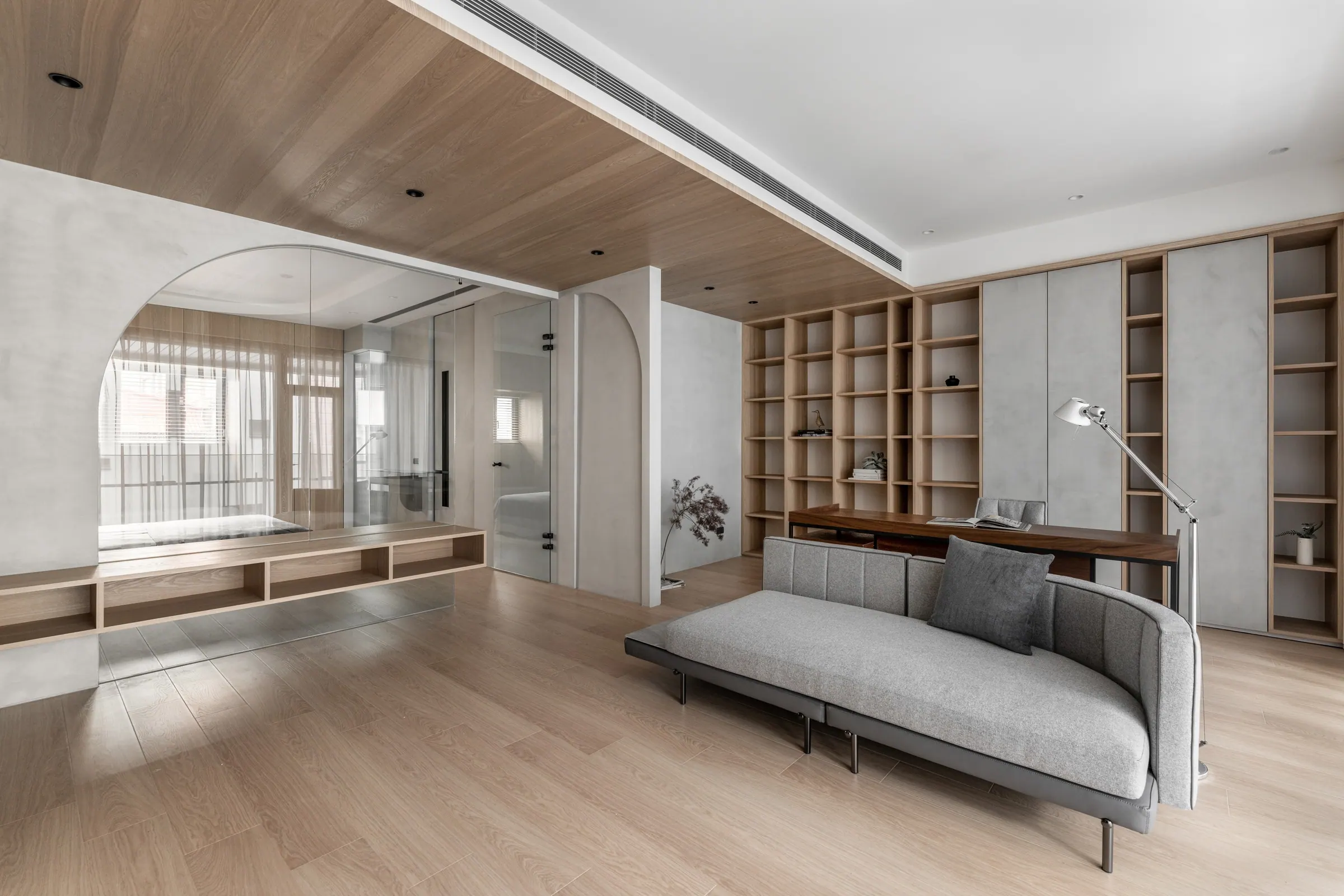
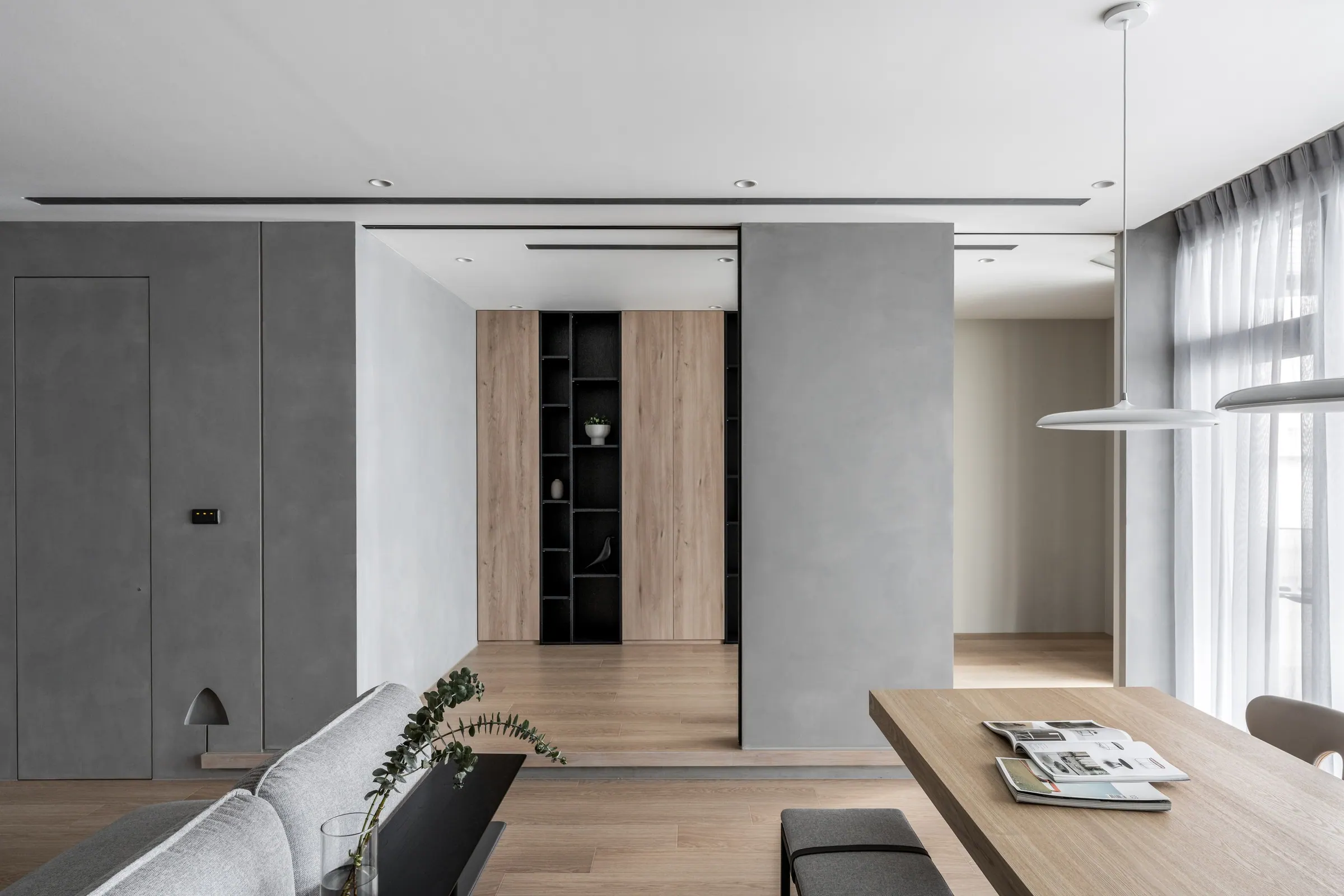
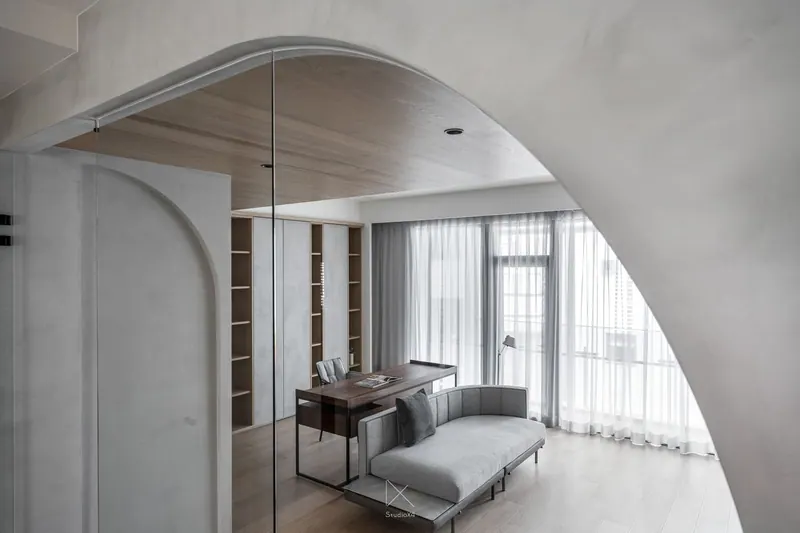
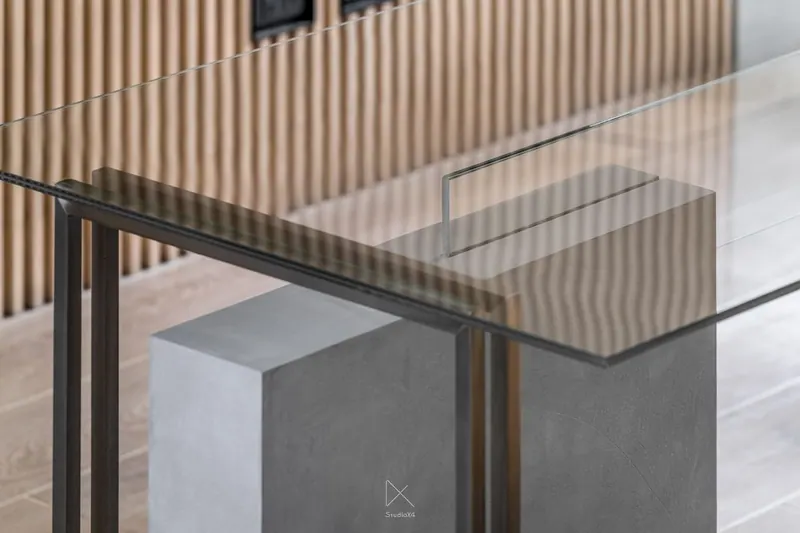
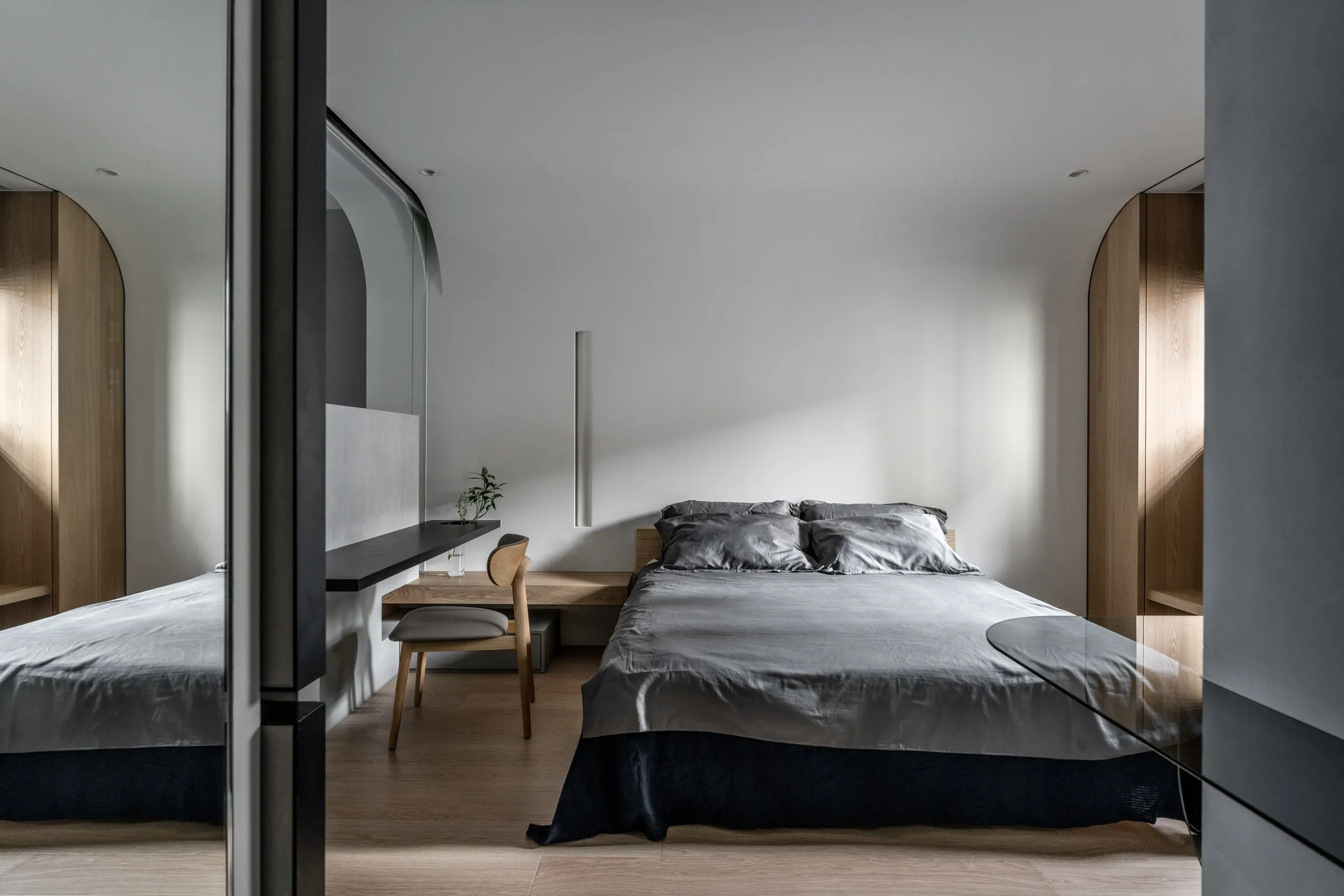
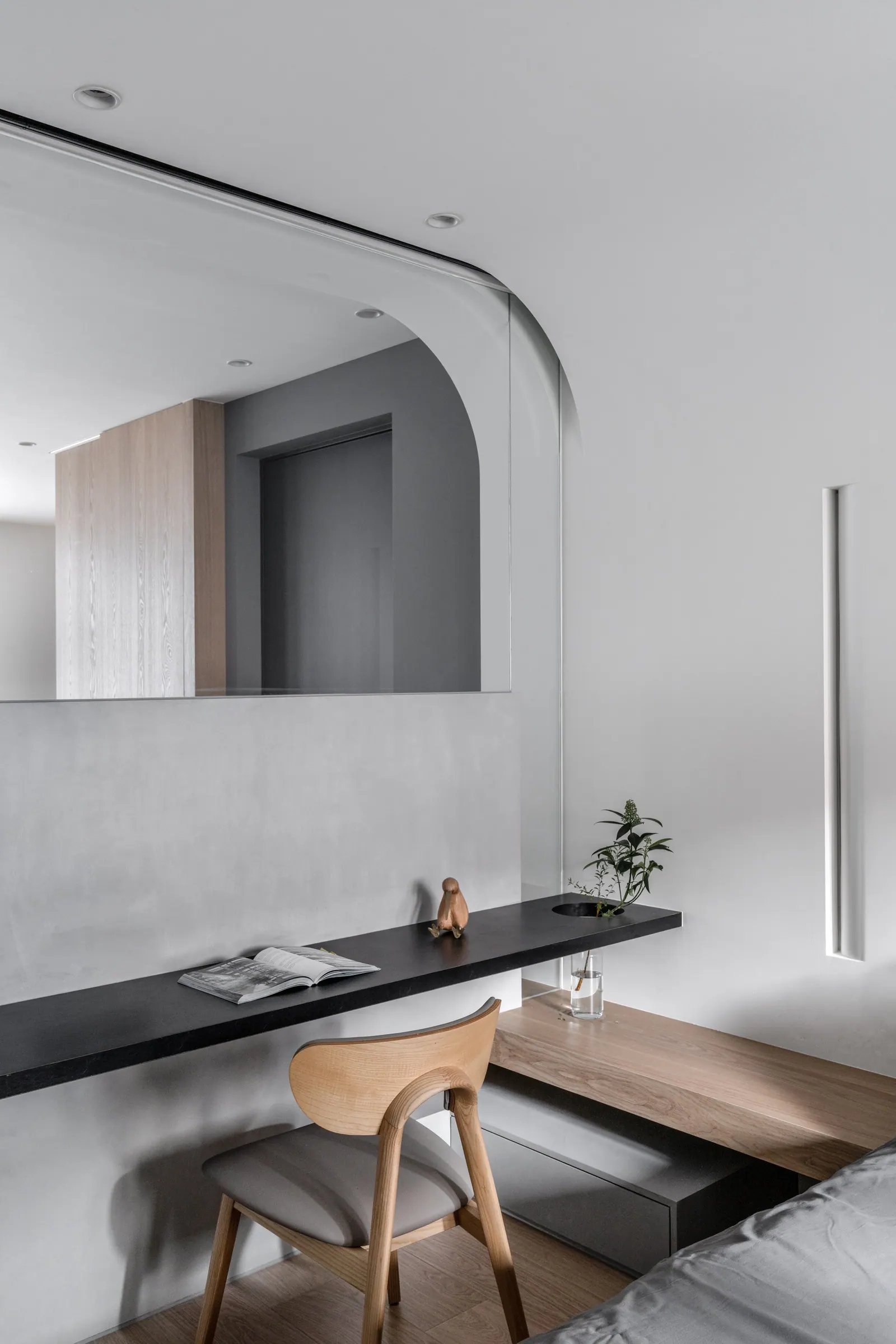
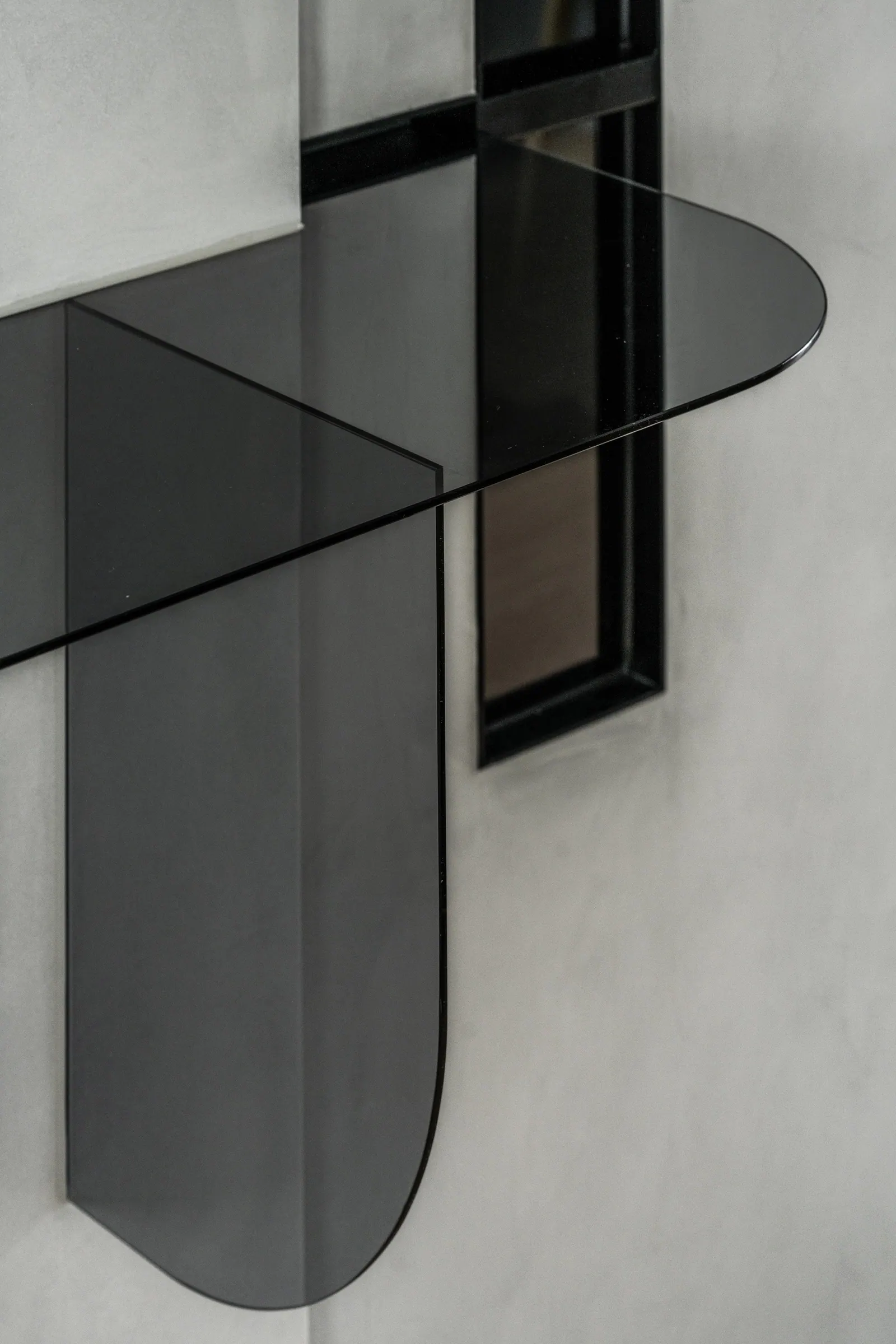
在我們居住的現代都市中,受惠也受限於經濟起飛的快速發展,長久以來囚禁於千篇一律的鳥籠大樓,在幾十年不斷發展及演繹的洪流中,每個面向都向著更好的方向前進,唯獨「居住」似乎被按下暫停鍵。
In the Taipei we live in now, we have gained from rapid economic growth while remaining confined, for decades, to the same birdcage apartments. Through years of continuous building and reinterpretation, almost every part of the city has moved forward — except the way we live, which seems to have been left on hold.
生活其中,失去了人與人互動的機會與空間。而在垂直生活或是共享生活的概念於千禧年間被提出後,又受限於現實社會,陌生人之間關係的疏遠,難以實現。其中不乏有共生公寓、協同工作空間、垂直都市等充滿前瞻性的嘗試,卻止步於缺少歸屬感。
These apartments have lost both the room and the occasion for people to meet. Vertical living and shared space entered the conversation around the turn of the millennium, but they remain hard to realize here, because the idea still feels foreign. Co-living apartments, collaborative workspaces, vertical cities — there have been many forward-looking attempts, and most stall at the same point: a missing sense of belonging.